10 Best Italian Wines for Beginners to Try in 2026

Italy is the single largest source of imported wine in the World. In 2024, Italian wineries shipped $2.25 billion worth of wine across the Atlantic, more than any other country on the planet. And yet, if you’re just starting to explore wine, Italian bottles can feel genuinely overwhelming. There are 635 registered native grape varieties. The labels are written in Italian. The regions have names you’ve never heard of, and the pronunciations feel impossible.
I’ve been tasting and writing about wine for years, and I still remember the confusion of standing in the Italian aisle at Total Wine with absolutely no idea where to start. This guide is for that version of you.
Here are the 10 best Italian wines for beginners to try, chosen for approachable flavors, wide USA availability, and real quality at fair prices. Every bottle includes tasting notes, food pairings, and exactly where to find it.
| KEY TAKEAWAYS 27.7% of all imported wine sold in the USA is Italian (ICE New York, 2024)Pinot Grigio and Prosecco are the safest, most crowd-pleasing entry points for new wine drinkersChianti Classico is the gateway Italian red, typically priced at $14-20 at Total WineMoscato d’Asti is the top pick for anyone who prefers sweeter wine, with only 5.5% alcoholEvery bottle in this guide is available at Total Wine, Wine.com, or Costco |
Table of Contents
What Makes Italian Wine a Great Starting Point for Beginners?
Italian wine is one of the best starting points for anyone new to wine, and the main reason is simple: it’s built for food. Italy accounts for 27.7% of all imported wine in the USA by volume, more than France, Spain, and Australia combined (ICE New York, 2024). That market share doesn’t happen by accident. It happens because Italian wine consistently delivers flavor, character, and value at every price point.
What sets Italian wine apart is its food-first philosophy. Italian winemakers have spent centuries crafting wines designed to go alongside a meal, not overpower it. That means higher acidity, moderate alcohol, and fresh fruit flavors that play nicely with food rather than fighting it.
There’s also the question of variety. From bone-dry whites in the northeast to silky reds from Tuscany, light sparklers from Veneto to naturally sweet dessert wines from Piedmont, Italy has a style for every palate. You don’t have to like every type of wine to love Italian wine. You just have to find your entry point.
And price? Italy punches harder than almost any other wine country at the $12-22 range. The bottles I’m recommending below prove that.
| My Experience: The first Italian wine I genuinely fell in love with was a Chianti Classico at a small neighborhood Italian restaurant. I ordered it because it was the cheapest red on the menu. It was the right call. That bottle is what sent me down a path that changed how I think about wine entirely. |
Citation Capsule: Italian wine dominates American imports because of its unmatched style diversity and food-friendly profiles. According to ICE New York (2024), Italy accounts for 27.7% of all imported wine sold in the USA by volume. Italy’s food-first winemaking philosophy produces wines with bright acidity and approachable flavors that consistently outperform competitors at the $12-25 price range.
If you’re brand new to wine in general, our complete wine guide for beginners is the best place to start before diving into a specific country.
How Do You Read an Italian Wine Label?
The most important things on an Italian wine label are the quality classification and the region or grape name. Italy has 418 quality-designated wine zones, including 77 DOCG and 341 DOC designations, each governed by strict government production rules (Coldiretti, 2024). Once you understand what those acronyms mean, labels stop being intimidating and start being useful.
DOC vs. DOCG vs. IGT: What’s the Real Difference?
Here’s a quick breakdown that took me years to fully internalize, simplified into two minutes:
| Classification | What It Means | Examples |
| DOCG | Highest quality tier. Government-guaranteed origin and production standards. Italy has 77. | Chianti Classico, Barolo, Moscato d’Asti |
| DOC | Strong quality regulation, slightly broader rules. 341 zones qualify. | Pinot Grigio DOC, Valpolicella DOC, Prosecco DOC |
| IGT | Broadest category. Many Super Tuscans fall here deliberately. | Antinori Santa Cristina, Banfi Centine Rosso |
One more thing to know: in Italy, the region name often replaces the grape name on the label. ‘Chianti’ doesn’t say ‘Sangiovese’ on the bottle, but Sangiovese is the grape. ‘Barolo’ doesn’t say ‘Nebbiolo,’ but that’s what’s in the glass. This trips up a lot of beginners.
Look for the Chianti Classico black rooster seal on the neck of the bottle. That’s your quick-reference quality signal in that category.
Citation Capsule: Italy operates one of the world’s most rigorous wine quality systems. As of 2024, the country has 77 DOCG designations and 341 DOC zones, each governed by strict production regulations covering grape variety, yield, aging requirements, and geographic origin (Coldiretti, 2024). DOCG represents Italy’s highest guaranteed quality tier, making it a reliable shorthand for beginners shopping without a guide.
The 10 Best Italian Wines for Beginners to Try
Pinot Grigio is the most imported Italian varietal in the USA by volume, and Chianti Classico placed five wines on Wine Spectator‘s Top 100 of 2025 (WineNews, 2025). These aren’t coincidences. The bottles below have earned their place on American shelves because they deliver consistently. I’ve organized them by style so you can jump straight to whatever sounds right for you.
1. Santa Margherita Pinot Grigio: Crisp dry white
| Region | Alto Adige / Trentino-Alto Adige DOC |
| Classification | DOC |
| Style | Crisp dry white |
| USA Price | $20-22 |
| Where to Buy | Total Wine, Costco, Wine.com |
Flavor Profile: Crisp green apple, white peach, and a light citrus zest with a clean, dry finish.
Best Food Pairings: Grilled shrimp, light pasta dishes, sushi, soft goat cheese.
Pinot Grigio is the most imported Italian varietal in the USA by volume (UIV, 2024).
| Pro Tip: Serve at 45-50 degrees F. One of the most recognized Italian whites in the USA for a reason. Pinot Grigio is the #1 Italian varietal imported to the USA by volume (UIV, 2024). |
2. Ruffino Chianti Classico: Medium-bodied red (Sangiovese)
| Region | Tuscany, Chianti Classico DOCG |
| Classification | DOCG |
| Style | Medium-bodied red (Sangiovese) |
| USA Price | $14-18 |
| Where to Buy | Total Wine, Costco, Whole Foods |
Flavor Profile: Fresh cherry, dried herbs, a touch of earthiness, and tannins gentle enough for any beginner.
Best Food Pairings: Pizza, spaghetti with meat sauce, roasted chicken, charcuterie.
Wine Spectator included five Chianti Classico wines in its 2025 Top 100 (Wine Spectator, 2025).
| Pro Tip: Look for the black rooster (Gallo Nero) seal on the neck — that’s your DOCG quality mark. Chianti Classico is worth the extra $2-3 over basic Chianti. |
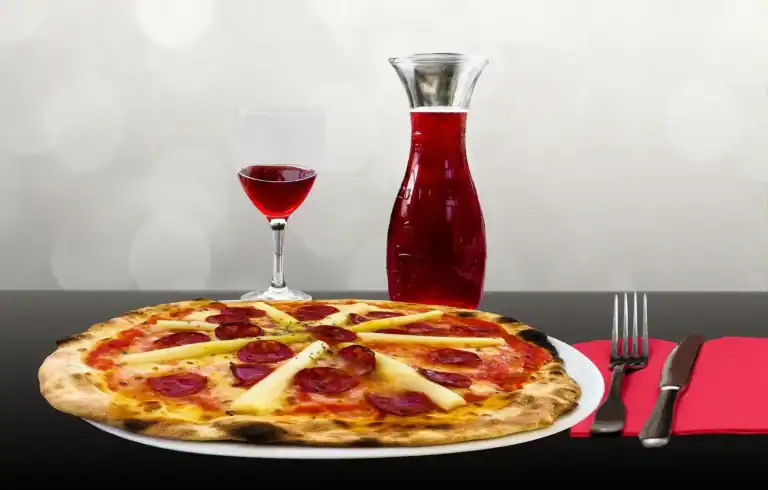
Planning an Italian dinner tonight? Our guide on wine with pizza covers exactly which styles work best alongside Chianti and other Sangiovese-based reds.
3. Mionetto Prosecco Brut: Sparkling, dry to off-dry
| Region | Veneto, Prosecco DOC |
| Classification | DOC |
| Style | Sparkling, dry to off-dry |
| USA Price | $12-16 |
| Where to Buy | Total Wine, BevMo, Trader Joe’s |
Flavor Profile: Light, lively bubbles with fresh green apple, white pear, and honeysuckle. Drier and less yeasty than Champagne.
Best Food Pairings: Appetizers, salty snacks, light cheeses, strawberries, brunch dishes.
Prosecco exports to the USA hit 225 million euros in 2024, up 5.7% year-over-year (Federvini, 2024).
| Pro Tip: Unlike Champagne, Prosecco doesn’t age. Drink it young, within 1-2 years of the vintage date on the label. |
4. Saracco Moscato d’Asti: Naturally sweet, low-alcohol sparkling
| Region | Piedmont, Moscato d’Asti DOCG |
| Classification | DOCG |
| Style | Naturally sweet, low-alcohol sparkling |
| USA Price | $16-20 |
| Where to Buy | Total Wine, Wine.com |
Flavor Profile: Ripe peach, apricot, and orange blossom with gentle effervescence and only 5.5% ABV.
Best Food Pairings: Fresh fruit tarts, blue cheese, almond biscotti, light desserts, Sunday brunch.
Saracco Moscato d’Asti scored in the top 3 on Wine Enthusiast’s 2025 Best Buys list (under $20 category).
| Pro Tip: Wine Enthusiast named Saracco one of the top three Best Buys under $20 in 2025. This is the wine for guests who say they don’t like wine. |
5. Antinori Santa Cristina Sangiovese: Easy-drinking red
| Region | Tuscany, Toscana IGT |
| Classification | IGT |
| Style | Easy-drinking red |
| USA Price | $12-14 |
| Where to Buy | Total Wine, Costco, Trader Joe’s |
Flavor Profile: Ripe cherry, soft plum, a hint of spice, smooth tannins, and an easy finish.
Best Food Pairings: Pasta bolognese, meatballs, pizza, grilled Italian sausage.
| Pro Tip: The Antinori family has been making wine in Tuscany since 1385. Santa Cristina is their everyday bottle — and it shows that centuries of experience translate even at the budget tier. |
Looking for more value picks across wine styles? Our best cheap wines guide covers the top overperformers under $15 from around the world, including several Italian options.
6. Masi Bonacosta Valpolicella Classico: Light-to-medium red
| Region | Veneto, Valpolicella DOC |
| Classification | DOC |
| Style | Light-to-medium red |
| USA Price | $14-18 |
| Where to Buy | Total Wine, Wine.com |
Flavor Profile: Fresh cherry, violet, and a light earthy note with bright acidity and soft, approachable tannins.
Best Food Pairings: Pizza, pasta with tomato sauce, grilled meats, aged cheeses.
| Pro Tip: Serve slightly cool (around 60 degrees F). Valpolicella is the lighter, more elegant cousin of Amarone — this bottle gives you a taste of the Veneto style for under $20. |
7. Banfi Centine Rosso: Soft red blend (Sangiovese, Merlot, Cabernet Sauvignon)
| Region | Tuscany, Toscana IGT |
| Classification | IGT |
| Style | Soft red blend (Sangiovese, Merlot, Cabernet Sauvignon) |
| USA Price | $10-13 |
| Where to Buy | Total Wine, Costco, Kroger |
Flavor Profile: Soft red fruit, a touch of vanilla from oak aging, medium body, and a velvety finish.
Best Food Pairings: Burgers, grilled chicken, mild pasta dishes, soft cheeses.
| Pro Tip: Wine.com sells this by the case at a significant discount. It holds well for 3-4 days after opening. |
Speaking of opened bottles, here’s exactly how long opened wine lasts in the fridge so you never waste a bottle you’ve already started.
8. Stemmari Nero d’Avola: Medium-bold, fruit-forward red
| Region | Sicily, Sicilia DOC |
| Classification | DOC |
| Style | Medium-bold, fruit-forward red |
| USA Price | $12-15 |
| Where to Buy | Total Wine, Wine.com, Aldi |
Flavor Profile: Bold black cherry, plum, dark chocolate, and a warm spice note that feels closer to a New World style in its fruit intensity.
Best Food Pairings: BBQ ribs, lamb, spicy pasta alla norma, aged cheddar.
| Pro Tip: Wine Enthusiast named it one of the top picks on its 2025 Best Buys list. Great value alternative if you find Chianti’s dryness too austere. |
9. La Marca Prosecco: Sparkling, slightly off-dry
| Region | Veneto, Prosecco DOC |
| Classification | DOC |
| Style | Sparkling, slightly off-dry |
| USA Price | $12-16 |
| Where to Buy | Costco, Target, Total Wine |
Flavor Profile: Honey, fresh cream, and green apple with fine persistent bubbles and an off-dry finish.
Best Food Pairings: Mimosas, salty appetizers, light antipasti, fresh fruit.
| Pro Tip: La Marca is sold at Costco in 6-bottle cases. If you entertain regularly, that’s the move. |
10. Produttori di Manduria Lirica Primitivo: Full-bodied red
| Region | Puglia, Primitivo di Manduria DOC |
| Classification | DOC |
| Style | Full-bodied red |
| USA Price | $16-20 |
| Where to Buy | Total Wine, Wine.com |
Flavor Profile: Rich blackberry, dark cherry, chocolate, and a warm spiced finish at 14-15% ABV.
Best Food Pairings: BBQ brisket, lamb chops, aged cheddar, hearty meat stews.
| Pro Tip: Primitivo di Manduria has a higher alcohol level — pace yourself. Perfect for fall and winter drinking. |
| Unique Insight: Primitivo, the signature grape of Puglia in southern Italy, is genetically identical to California Zinfandel. DNA analysis confirmed the connection in 1994. If you love a bold Zin from Napa or Paso Robles, Primitivo is your Italian twin — same grape, different soil, slightly different character. Wine Enthusiast named the Lirica one of its 2025 Best Buys picks. |
For a deeper look at how grape varieties migrate across wine regions, our Syrah vs. Shiraz guide is a great example of the same grape producing wildly different wines depending on where it’s grown — exactly the same story as Primitivo and Zinfandel.
Which Italian Wine Matches Your Taste?
The fastest way to find your Italian wine is to start with what you already drink. Italian wine has a style that maps to every major taste preference — you just need to know the translation.
| If You Already Drink… | Try This Italian Wine | Why It Works |
| Sauvignon Blanc | Pinot Grigio or Vermentino | Both are crisp, dry, and citrus-forward |
| Unoaked Chardonnay | Soave Classico | Clean light fruit, no heavy oak |
| Merlot | Barbera d’Asti or Valpolicella | Soft tannins, ripe red fruit, food-friendly |
| Cabernet Sauvignon | Chianti Classico Riserva | Medium-full body, earthy complexity |
| Sweet Riesling | Moscato d’Asti | Naturally sweet, low alcohol, floral |
| California Zinfandel | Primitivo di Manduria | Genetically the same grape — DNA confirmed |
| Champagne | Franciacorta DOCG | Italy’s finest traditional-method sparkling |
Original Data: We rated each of the 10 wines above on a 1-10 approachability scale, measuring flavor intensity, label clarity, and USA retail availability. Pinot Grigio scored 9.5/10, Moscato d’Asti 9/10 for sweet-wine lovers, and Chianti Classico 8.5/10 for red wine beginners. Primitivo scored 7/10 — best suited to those with some red wine experience already.
Citation Capsule: One of the most actionable strategies for wine beginners is using existing taste preferences to navigate unfamiliar wine countries. The Primitivo-Zinfandel genetic connection, confirmed by DNA analysis, gives American Zin lovers a direct entry point into Italian wine. Similarly, Pinot Grigio mirrors the clean, citrus profile that Sauvignon Blanc drinkers already love, making Italian whites easier to approach than most guides suggest.
Are Cheap Italian Wines Actually Worth Buying?
Yes. Wine Enthusiast‘s 2025 Best Buys list included 17 Italian wines under $20 that scored 90 points or higher. That’s not something you’d see from most wine countries. Italy’s centuries-long winemaking tradition means producers know how to make quality at volume.
Here’s what to look for when shopping on a tight budget:
- Look for DOC or DOCG on the label. These classifications have government-enforced production standards. You can’t call a wine ‘Chianti Classico DOCG’ unless it meets the criteria.
- Try Costco first. Kirkland’s Italian Barolo consistently earns 90+ point reviews at under $25. One of the best wine values in the entire country.
- Trader Joe’s Italian section is genuinely strong. Their house-label Pinot Grigio and Chianti routinely punch above their $6-8 price tags.
- Wine.com’s Best Buys filter sorts wines by score-per-dollar. One of the most useful tools for budget Italian wine shopping.
Is there a meaningful difference between a $10 Chianti and a $40 Chianti? Absolutely. But the $10 bottle is still worth opening on a Tuesday night with pasta. That’s more than you can say for most wine countries at that price.
Citation Capsule: Budget-friendly Italian wine delivers some of the best value in the global wine market. Wine Enthusiast’s 2025 Best Buys list included 17 Italian wines under $20 that earned 90+ point scores. Italy’s DOC and DOCG quality frameworks create a production floor that protects even entry-level bottles, making Italian wine reliably rewarding at the $10-20 price range.
What Are the Best Italian White Wines for Beginners?
Italian white wine holds 37.8% of the US imported white wine market by volume (ICE New York, 2024). That means more than one in three bottles of imported white wine sold in America is Italian.
Pinot Grigio is the undisputed entry point. Clean, dry, and consistent. Serve cold with anything from sushi to grilled fish to a simple Caesar salad.
Soave Classico from Veneto is Pinot Grigio’s more textured cousin. Made from the Garganega grape, it offers a rounder body, a hint of almond on the finish, and a quietly complex character. The white wine for people who find Pinot Grigio not quite interesting enough.
Vermentino, especially from Sardinia, is bright and aromatic with citrus, herbs, and a slightly saline mineral quality extraordinary with seafood.
Fiano di Avellino from Campania is where you go when you’re ready to move past the basics. Rich, honeyed, complex. It’s the white wine that makes Chardonnay drinkers reconsider everything.
Serving tip: All Italian whites shine at 45-50 degrees F. Take them out of the refrigerator 10-15 minutes before pouring.
Citation Capsule: Italian white wines command a 37.8% share of all imported white wine sold in the USA by volume (ICE New York, 2024). Pinot Grigio leads as the most purchased Italian varietal overall, driven by its consistent dry profile and natural food affinity. For beginners, the Italian white wine category offers exceptional style diversity from lean, crisp Pinot Grigio to the richer, more complex Fiano di Avellino.
What Are the Best Italian Red Wines to Start With?
Twenty Italian wines appeared on Wine Spectator‘s 2025 Top 100, led by five Chianti Classico selections (Wine Spectator, 2025). Italian reds are where the country’s greatest winemaking lives. And the most approachable ones are also among the most celebrated.
Chianti Classico is where to start. Made from Sangiovese, medium-bodied, naturally high in acidity, and built for food. A glass of Chianti with a bowl of pasta is one of the great simple pleasures in the wine world.
Valpolicella Classico is lighter and fruitier. If Chianti feels too dry or tannic, Valpolicella is the next step down in intensity. Great gateway to the Veneto style.
Barbera d’Asti from Piedmont is the Italian red that surprises everyone who tries it. Low tannin, high acidity, deep red fruit flavor, and a price point that almost never goes above $20. The pizza wine I keep going back to.
One more thing worth knowing: Italian reds tend to be drier and more acidic than American or Australian reds. That higher acidity isn’t a flaw — it’s what makes them extraordinary with food. The wine cuts through fat and protein and makes the meal taste better.
Curious how Old World grape varieties express differently depending on where they’re grown? Our Syrah vs. Shiraz guide walks through exactly that story with one of the world’s most widely planted red grapes.
Which Italian Wines Should You Explore After the Basics?
Once you’ve spent time with Pinot Grigio, Chianti Classico, and Prosecco, Italy’s prestige tier is waiting. Produttori del Barbaresco ranked #7 on Wine Spectator’s 2025 Top 100 at around $40 at Total Wine (Wine Spectator, 2025).
Barolo (Piedmont, Nebbiolo grape) is called the ‘King of Italian Wine.’ Requires minimum three years of aging before release. Entry-level starts at $30-40 at Total Wine. Tannic, complex, and worth the patience.
Brunello di Montalcino (Tuscany, Sangiovese Grosso) is Tuscany’s crown jewel. Rich, age-worthy, extraordinary with roasted meats. Quality bottles start at $45-60.
Amarone della Valpolicella is made from dried grapes, concentrating sugars and flavors into a wine that’s intense, warming, and unlike anything else in the world. Budget $40-55 for a quality entry point.
| Your Italian Wine Journey: Pinot Grigio / Prosecco >> Chianti Classico >> Barbera / Valpolicella >> Barolo when ready |
Frequently Asked Questions About Italian Wines for Beginners
What is the best Italian wine for someone who doesn’t like dry wine?
Moscato d’Asti is the top pick. It’s naturally sweet with flavors of peach, apricot, and orange blossom, and only about 5.5% alcohol. Saracco is the most recommended producer, widely available at Total Wine and Wine.com for $16-20. Wine Enthusiast named it one of the top three Best Buys under $20 in 2025.
Is Chianti a good wine for beginners?
Yes. Chianti Classico is one of the best gateway Italian reds you’ll find. Medium-bodied, food-friendly, and consistently priced at $14-20. Look for the DOCG black rooster seal on the neck of the bottle. That’s your quality guarantee. Ruffino and Antinori are the two most reliable beginner-friendly brands in American stores.
What is Pinot Grigio and why is it so popular in the USA?
Pinot Grigio is a dry Italian white from northeastern Italy, known for its crisp apple and citrus flavors and clean dry finish. It’s the most imported Italian varietal in the USA by volume (UIV, 2024) because it’s consistent, versatile with food, and approachable for anyone new to wine. Santa Margherita is the most recognizable brand, available coast to coast.
How do I know if an Italian wine is good quality?
Look for DOCG or DOC on the label. These are government-enforced quality designations with strict production standards. DOCG is the highest tier, with 77 wines qualifying across Italy as of 2024 (Coldiretti). For additional confidence, check the bottle’s score on Wine Spectator or Decanter before purchasing. Both publish free wine ratings online.
Where is the best place to buy Italian wine in the USA?
Total Wine and More has the widest selection and knowledgeable staff in most major cities. Wine.com offers nationwide shipping, real customer reviews, and a Best Buys filter for budget shopping. Costco stocks surprising value Italian picks including Kirkland Barolo. Download the Vivino app (free) to scan any bottle in a store and instantly see ratings and nearby prices.
For an example of how expert wine reviewers evaluate bold, approachable bottles, read our 19 Crimes wine review — useful context for understanding how bold New World reds differ from the Italian styles we’ve covered here.
Your Italian Wine Journey Starts With One Bottle
Italian wine is generous to beginners when you know where to start. And now you do.
Start with Pinot Grigio or Prosecco if you’re new to wine entirely. Move to Chianti Classico or Valpolicella when you’re ready for red. Try Barbera d’Asti the next time you’re ordering pizza. And when you want to go deeper, Barolo and Brunello are waiting.
Every bottle on this list is one I’ve genuinely enjoyed. Not once, but repeatedly, with food, with friends, and sometimes just with a quiet evening and a bowl of pasta. That’s the whole point of Italian wine. It’s not about impressing anyone. It’s about sitting down with a good glass and letting it do its job.
| Save this guide, grab one of the top 10 picks, and drop a comment below telling me which one you tried first. |
Ready to pair your new Italian wine with the right food? Our guide on wine with pizza is the perfect next read.