What Wine Should a Beginner Start With? 7 Easy First Bottles to Try

Introduction
If you’re asking, “What wine should I start with as a beginner?”, the easiest answer is this: start with a wine that feels light, fruity, and easy to drink instead of something bold, bitter, or expensive. For most first-time wine buyers, that means beginner-friendly picks like Pinot Grigio, Riesling, Sauvignon Blanc, Pinot Noir, Merlot, dry rosé, or Prosecco.
Wine can feel bigger and more confusing than it really is. Many beginners assume they need to understand grapes, regions, pairings, and wine terms before they buy one bottle. They don’t. They just need a simple place to start, and that’s what this guide is for.
| Quick Takeaways for First-Time Wine Buyers: Start with light, fruit-forward wines instead of bold, tannic styles. White wine, rosé, or a soft red is usually the safest first pick. Pinot Grigio, Riesling, Pinot Noir, and Merlot are strong starter choices. Your first bottle does not need to be expensive to be good. The best first wine is the one that matches your taste, not wine jargon. |
Table of Contents
What Wine Should I Start with as a beginner? Start with light, fruit-forward styles
For most beginners, the best wine to start with is one that feels soft, crisp, or fruity rather than heavy or drying. That usually means light white wines, softer reds, dry rosé, or an easy sparkling wine. These styles are easier to enjoy on the first sip and less likely to feel harsh or confusing.
A beginner’s first bottle should do one job well: make wine feel approachable. That is why smoother textures, fresh fruit flavors, and moderate body matter more than prestige, price, or complexity.
Many new drinkers do not dislike wine itself. They just start with the wrong style. A very tannic red can feel dry and rough. A heavily oaked white can taste buttery and heavy. A high-alcohol bottle can feel hot and tiring. Those styles can be great later. They are simply not always the best first bottle of wine.
A good beginner wine usually has a few things going for it: clear fruit flavor, moderate acidity, low to moderate tannin, and either a smooth or refreshing finish.
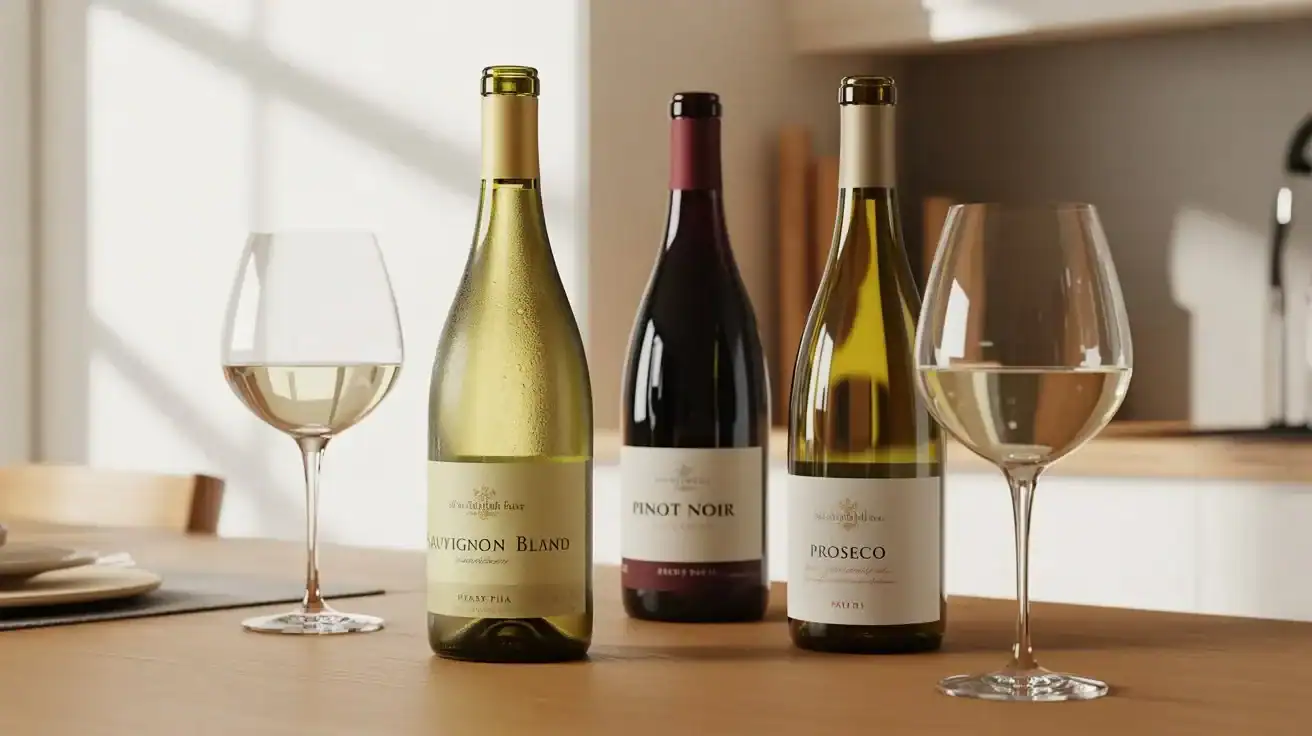
That is why these wines tend to work well first: Pinot Grigio, Riesling, Sauvignon Blanc, Pinot Noir, Merlot, dry rosé, and Prosecco.
| Wine style | Sweetness | Body | What it tastes like | Best for | Difficulty |
| Pinot Grigio | Dry | Light | Crisp, clean, citrusy | Easy first white | Very easy |
| Riesling | Off-dry | Light | Fruity, floral, juicy | Readers who dislike bitterness | Very easy |
| Sauvignon Blanc | Dry | Light | Bright, zesty, fresh | Crisp-drink lovers | Easy |
| Pinot Noir | Dry | Light-Med | Soft red fruit, smooth | First red wine | Easy |
| Merlot | Dry | Medium | Plummy, round, smooth | Fuller but approachable red | Easy |
| Dry rosé | Dry | Light | Fresh berry, crisp | Undecided drinkers | Very easy |
| Prosecco | Off-dry | Light | Fruity, bubbly, lively | Casual sipping or gifting | Very easy |
beginner’s guide to wine
Not sure whether to start with red or white? Use this simple rule
If you do not know whether to choose red or white wine, start with white if you like lighter, fresher drinks and start with red if you prefer smoother, richer flavors. If you still feel stuck, go with dry rosé or Prosecco. They are often the easiest middle-ground choices for beginners.
This decision gets easier when you stop thinking like a wine expert and start thinking like a regular drinker.
Start with white if you like crisp, refreshing drinks such as sparkling water, light cocktails, or chilled beverages with food. Start with red if you want something rounder and softer. When you are buying for a friend or feel undecided, dry rosé and Prosecco are safe, flexible choices.
Here is the cheat sheet: like crisp and refreshing? Start with Pinot Grigio or Sauvignon Blanc. Like fruity and gentle? Start with Riesling. Want red without too much edge? Start with Pinot Noir or Merlot. Not sure at all? Start with dry rosé or Prosecco.
How to read a wine label.
7 beginner-friendly wines to try first
If you want the fastest answer possible, pick one bottle from this list and you will be on solid ground. These are easy wines for beginners because they are more approachable than intense, bitter, or heavily oaked styles. You do not need to buy all seven. One white and one red is enough to learn a lot.
1. Pinot Grigio
Pinot Grigio is one of the easiest first wines to try because it is light, crisp, and uncomplicated. It usually tastes clean and refreshing, which makes it a safe pick for beginners who do not want anything too sweet or too heavy.
2. Riesling
Riesling is a great choice for beginners who think they may prefer a little sweetness. It often tastes fruity and lively, and even drier versions can feel very approachable.
3. Sauvignon Blanc
Sauvignon Blanc is bright, fresh, and often citrusy. It feels sharper than Pinot Grigio, but it is still beginner-friendly when someone likes crisp, refreshing flavors.
4. Pinot Noir
Pinot Noir is often the easiest red to start with. It is lighter than many popular reds and usually feels smoother and less drying than bold, tannic bottles.
5. Merlot
Merlot is a good next step if Pinot Noir sounds too light. It still feels beginner-friendly, but with a little more body and roundness.
6. Dry Rosé
Dry rosé is one of the most underrated beginner-friendly wine types. It sits between red and white in feel, often bringing fresh berry flavor with a crisp finish.
7. Prosecco
Prosecco is an easy first bottle when you want something fun and low-pressure. The bubbles, fruitiness, and lighter body make it feel festive without feeling serious.
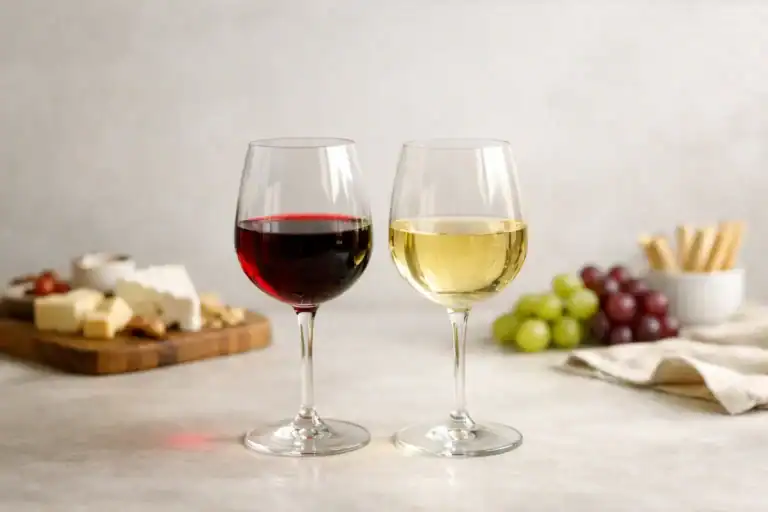
Unique insight: Many beginners do better by trying two contrasting starter wines instead of one. A crisp white like Pinot Grigio and a soft red like Pinot Noir will quickly show whether you lean towards refreshing or smooth.
Internal link to add in CMS here: Italian wines for beginners → https://wizepulse.com/wines-of-the-world/best-italian-wines-for-beginners/
Choose your first bottle by taste, not wine jargon
The best wine for beginners is usually the wine that matches what they already like to drink. You do not need to memorize grape names, regions, or tasting notes to make a smart choice. A simple taste-based approach is more useful than trying to sound like a wine expert.
If you like sweeter drinks, start with Riesling or another gentle off-dry style. If you want something dry but easy, try Pinot Grigio, Sauvignon Blanc, or dry rosé. If you want a smooth red, start with Pinot Noir or Merlot. If you are buying wine as a gift, dry rosé, Prosecco, Pinot Grigio, or Pinot Noir are broadly safe picks.
A few beginner wine words made simple: dry means not sweet, sweet means the wine gives a clear impression of sugar or ripe fruit sweetness, body describes how light or heavy the wine feels, and tannin is the drying feeling some red wines leave on the tongue.
Wine with pizza.
A few wines are better to skip first
Not every wine is a bad choice for a beginner, but some create a harder first impression. If your first bottle feels too bitter, too heavy, or too dry, you may think you dislike wine when you really just chose a tougher style too early.
High-tannin reds can leave a dry, gripping feeling in the mouth. Very oaky or buttery whites can feel heavier than expected. Very sweet or very high-alcohol bottles can also give a distorted picture of what everyday wine is like.
These wines are not bad. They simply tend to ask more from the palate. Starting with a friendlier style gives wine a fair first chance.
Syrah vs Shiraz.
How to buy your first bottle without overspending
Your first bottle does not need to be expensive to be good. A modest, everyday bottle is enough to learn what you like. For a beginner, the better move is choosing the right style at a sensible price instead of chasing a fancy label.
A practical shopping plan is simple: pick your style first, stay in a reasonable everyday price range, read the label for the grape or style name, ask for something beginner-friendly if you need help, and make a quick note afterward so your second bottle is easier.
You do not need a fancy question in the store. ‘Can you recommend an easy white wine for a beginner?’ or ‘I want a smooth red that is not too heavy’ is enough.
After your first bottle, write down three things: did I like it, did it feel crisp, smooth, sweet, or dry, and would I buy it again? That tiny note will make your next bottle much easier to choose.
| What to look for | Why it helps |
| Grape or style name | Makes repeat buying easier. |
| Light or smooth description | Points toward approachable styles. |
| Reasonable everyday price | Lowers risk for first-time buyers. |
| Beginner-friendly staff recommendation | Helps narrow the shelf fast. |
| Simple post-drink notes | Improves your second purchase. |
Best Cheap Wines
How long does opened wine last
FAQ
Should a beginner start with red or white wine?
Most beginners find white wine, rosé, or sparkling wine easier at first because those styles often feel lighter and less drying. But if you already know you prefer richer drinks, a soft red like Pinot Noir or Merlot can still be a great first wine.
What is the easiest wine to drink for the first time?
Pinot Grigio, Riesling, dry rosé, Prosecco, Pinot Noir, and Merlot are all easy first wines for many beginners because they are usually more approachable than wines that are very tannic, heavily oaked, or high in alcohol.
Is sweet wine better for beginners?
Sometimes. If you dislike bitterness or usually enjoy fruit-forward drinks, a slightly sweeter wine can feel easier. But sweet wine is not the only good starting point. Many beginners also enjoy dry wines if they are light, fresh, and fruit-forward.
What wine should I buy for someone new to wine?
A safe gift bottle for a beginner is usually dry rosé, Pinot Grigio, Prosecco, or Pinot Noir. These styles are flexible, approachable, and less risky than bold reds or very heavy whites.
What wines should beginners avoid first?
Beginners may want to skip very tannic reds, heavily oaked whites, and very high-alcohol bottles for their first try. Those wines are not bad. They are simply tougher entry points for new drinkers.
Conclusion
If you want the simplest answer, start with Pinot Grigio, Riesling, Pinot Noir, Merlot, dry rosé, or Prosecco. These are some of the best wines for beginners because they are easier to enjoy and easier to understand.
Start with the style that matches your taste, not the bottle that sounds the most impressive. Try one crisp white and one soft red. That small experiment will teach you more than hours of wine theory.