Red Wine vs White Wine for Beginners: Key Differences

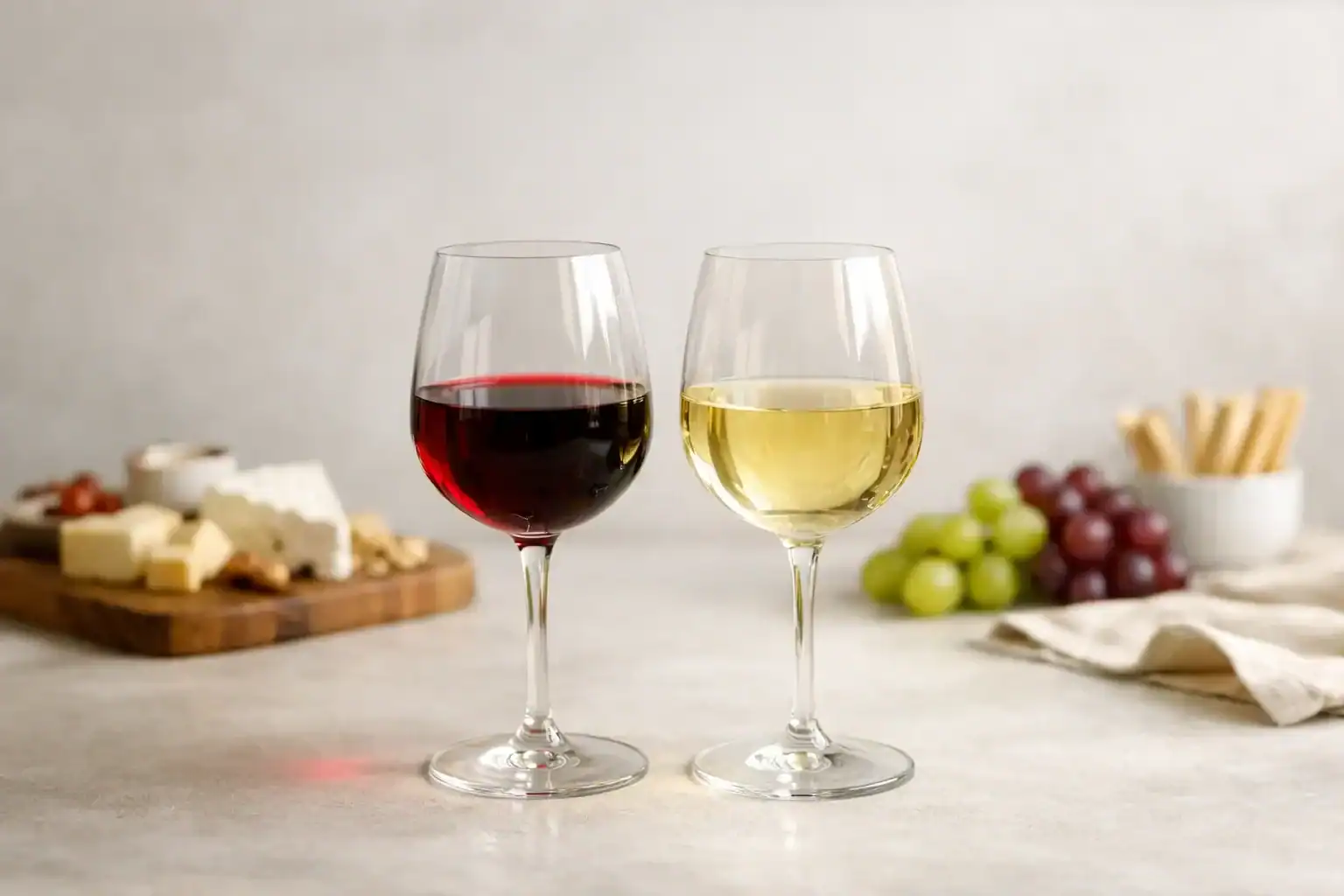
If you are comparing red wine vs white wine for beginners, the real difference is bigger than color. Red and white wines are made differently, feel different in the mouth, pair with different foods, and often suit different moods, budgets, and first-bottle preferences. Once you understand tannin, acidity, and serving temperature, choosing between them gets much easier.
A lot of beginner wine advice makes this sound more mysterious than it is. It does not need to be. You do not need a sommelier vocabulary to figure out whether you will enjoy a crisp Sauvignon Blanc more than a soft Pinot Noir. You just need a simple framework that connects what is in the bottle to what you will actually taste.
| Key Takeaways: Red wine usually feels fuller and drier because it ferments with grape skins and seeds. White wine usually feels crisper and fresher because it has little to no tannin. Serving temperature changes flavor more than many beginners expect.Pair food and wine by weight: lighter dishes with lighter wines, richer dishes with fuller wines.If you dislike that drying sensation on your gums, white wine or soft reds are usually the safer start. |
Red Wine vs White Wine at a Glance
| Temperature changes the aroma and texture | Red Wine | White Wine | Why It Matters for Beginners |
| How it is made | Usually fermented with skins and seeds | Usually fermented without skins | This drives color, tannin, and texture |
| Tannin | Usually higher | Usually low | Tannin creates that dry, grippy feeling |
| Acidity | Moderate to high | Often feels more pronounced | Acidity creates freshness and lift |
| Common flavors | Berry, plum, cherry, spice, earth | Citrus, apple, pear, peach, floral | Flavor family helps you choose quickly |
| Best food matches | Grilled meat, tomato dishes, mushrooms | Seafood, chicken, salads, creamy dishes | Pairing makes wine feel more enjoyable fast |
| Serving temperature | Slightly cool, not warm | Chilled, but not ice-cold | Temperature changes aroma and texture |
Table of Contents
The real difference between red wine and white wine starts in the winery (Red Wine vs White Wine for Beginners)
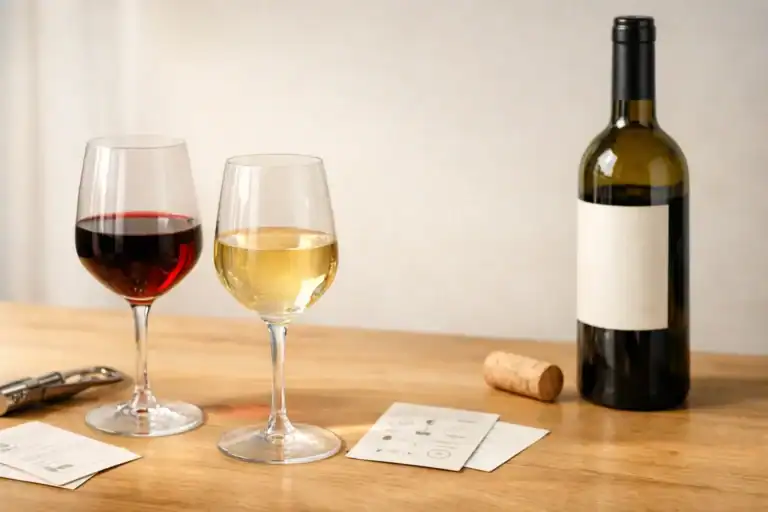
The biggest difference between red and white wine starts with the grape skins. Red wines usually ferment with skins and seeds, while white wines usually do not. That single choice affects color, tannin, aroma, and structure, which is why red wine often feels fuller and drier while white wine usually feels brighter and cleaner.
When red grapes are crushed for red wine, the juice stays in contact with the skins during fermentation. That is where most of the color comes from. It is also where tannins come from, along with many of the compounds that give red wine its firmer structure and deeper flavor profile.
White wine is usually made by pressing grapes and separating the juice from the skins early. That keeps the wine lighter in color and lower in tannin. It does not mean white wine is simple. It means the texture is usually less grippy and more driven by acidity, fruit, and freshness.
The part beginners often miss is that wine color does not tell the whole story. White wine can be made from dark grapes if the skins are removed quickly, and some white wines gain more texture from skin contact or oak aging. That is why an oaked Chardonnay feels very different from a zippy Pinot Grigio.
For a deeper look at grapes and styles, see Wine Grape Varieties Guide.
Source note: Wine education sources such as Wine Folly explain the red-versus-white split through skin contact: red wines gain most of their color and tannin from fermenting with skins and seeds, while white wines usually ferment without them.
Red wine vs white wine taste: what beginners notice first
For most beginners, the first real difference is texture. Red wine often feels fuller, softer, or drier because of tannin, while white wine often feels crisper and more refreshing because acidity stands out more clearly. Once you notice that contrast, choosing a bottle becomes much more intuitive.
Tannin is the part that catches many new drinkers off guard. If a wine makes your gums feel slightly dry or leaves a faint tea-like grip on your tongue, that is tannin. It is common in red wine, especially in styles like Cabernet Sauvignon and Syrah. It can feel elegant when balanced, but harsh if you are not used to it.
White wine usually shows less of that drying effect. Instead, it leans on acidity. Acidity is what makes a wine feel bright, lively, and mouth-watering. It is one reason a chilled Sauvignon Blanc can feel instantly refreshing, while a fuller red may feel better suited to a slower dinner.
Flavor families help, too. Reds often move into cherry, blackberry, plum, spice, cocoa, or earthy notes. Whites more often lean toward lemon, apple, pear, peach, tropical fruit, flowers, or a mineral edge. Those are broad patterns, not rules, but they are useful for beginners.
A soft Pinot Noir and a fuller Chardonnay prove that these categories are not rigid. Some reds are delicate and silky. Some whites are rich and creamy. The better shortcut is not heavy versus light. It is whether you want crisp refreshment or a rounder, more structured feel.
If you want help choosing a low-risk starter bottle, read What Wine Should I Start With as a Beginner?.
Source note: Wine education from WSET emphasizes structure as much as flavor. Beginners usually experience red wine as more textured because of tannin, while white wine often feels brighter because acidity is more obvious without much wine vocabulary.
Which foods pair better with red wine and white wine?
When you are choosing wine for food, the easiest rule is to match weight with weight. Fuller, richer dishes usually feel better with fuller wines, while lighter meals usually shine with fresher, lighter wines. That is why red and white wine often fit different plates even before you think about grape variety.
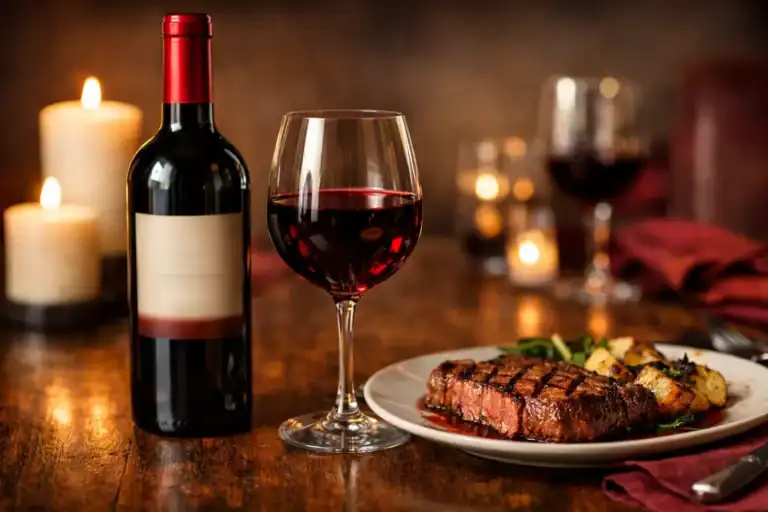
Red wine usually works well with grilled meats, burgers, tomato-based pasta, roasted mushrooms, barbecue, and aged cheeses. Those foods have enough savory intensity to stand up to tannin and body. A medium-bodied red can also make tomato sauces feel rounder and richer.
White wine usually works beautifully with seafood, roast chicken, creamy pasta, salads, sushi, and fresh cheeses. Its acidity can cut through fat and cream, while its lighter frame will not overpower delicate flavors. A crisp white with fried food can be a surprisingly good move because the freshness cleans up the palate.
This is where beginners sometimes get trapped by the old red-with-meat and white-with-fish rule. It is a useful starting point, but it breaks down fast in real meals. A fatty fish like salmon can work with a lighter red, and a cream-based chicken dish can be better with a rich white than with a tannic red.
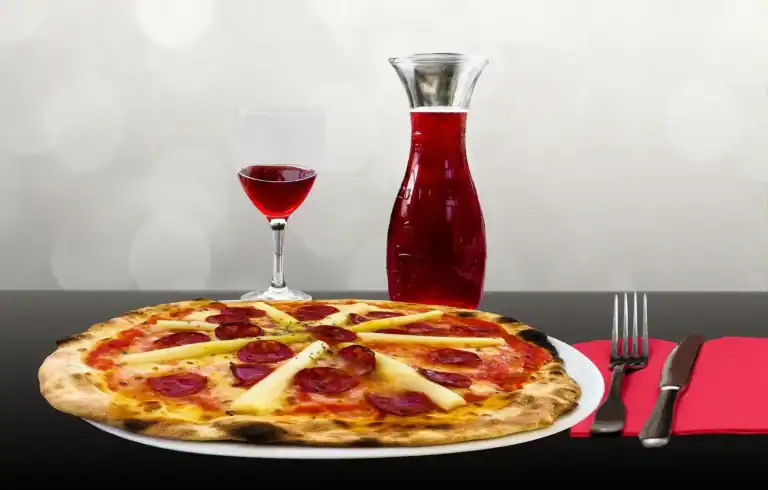
Pizza night is a simple example. Pepperoni or meat-lovers pizza often leans red because of tomato sauce, spice, and fat. A mushroom pizza or white pizza may be better with a crisp or lightly oaked white. That is a better framework than memorizing old pairing cliches.
Source note: Pairing guidance from WSET returns to one core idea: match the wine’s weight and structure to the dish. Lighter foods tend to pair more naturally with crisp whites, while richer and more savory dishes often work better with medium- to full-bodied reds.
For broader pairing help, see Wine and Food Pairing Guide and Wine with Pizza.
Which is better for beginners: red wine or white wine?
For many beginners, white wine is the easier first step because it usually has less tannin and feels more immediately refreshing. That said, some reds are very beginner-friendly too, especially soft, fruit-forward styles that do not hit you with heavy dryness or aggressive oak.
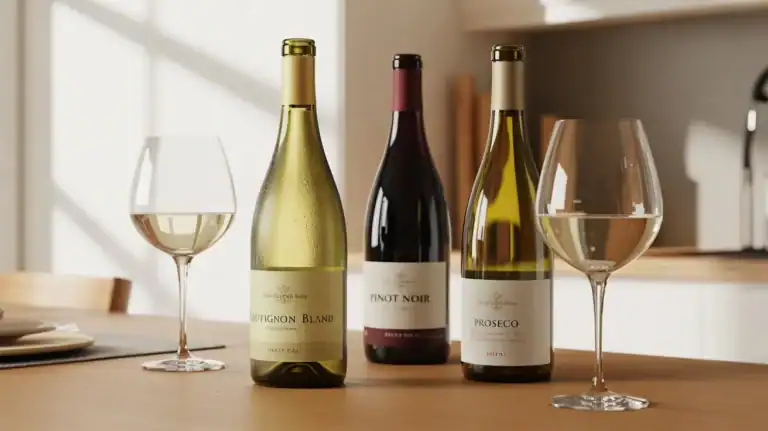
If you already know you like crisp drinks, citrusy flavors, chilled beverages, or lighter meals, white wine often makes more sense. Sauvignon Blanc, Pinot Grigio, off-dry Riesling, and unoaked Chardonnay are common starting points because they are expressive without being too demanding.
If you prefer deeper fruit, a rounder texture, or cozy evening flavors, red wine may suit you better. Pinot Noir, Merlot, and softer Grenache-based blends are often easier entry points than firmer, more tannic reds like young Cabernet Sauvignon or heavily oaked styles.
A practical beginner filter helps. Choose red if you like richer fruit, roasted flavors, and heartier meals. Choose white if you like crisp drinks, freshness, citrus, floral notes, or lighter foods. Choose a soft red if you want red wine without too much grip. Choose a fuller white if you want richness without strong tannin.
A lot of people do not dislike red wine as a category. They dislike high tannin. And a lot of people do not love white wine in general. They love freshness and easy drinkability. Once you separate those ideas, shopping gets much less random.
Source note: Beginner wine advice commonly notes that white wine often feels easier because acidity reads as refreshing, while tannin can feel drying or bitter to inexperienced drinkers. For people who prefer richer fruit and a rounder feel, softer reds can still be excellent starter bottles.
For a broader starting point, read Wine Guide for Beginners and What Wine Should I Start With as a Beginner?.
Price, serving temperature, and occasion can change your choice more than you think
A decent wine served at the wrong temperature can taste flat, sharp, or awkward. Budget and occasion matter too. Many beginners blame the wine itself when the real problem is that the bottle was served too warm, too cold, or chosen for the wrong moment.
Red wine is usually best slightly below modern room temperature. If it is too warm, alcohol can stick out, and the wine can feel heavy. White wine is usually best chilled, but not ice-cold. Too much cold can mute aroma and flavor, leaving the wine feeling simple.
As a quick guideline, most reds show best around 62 to 68 degrees Fahrenheit, while many whites feel better around 49 to 55 degrees. You do not need a wine thermometer to benefit from this. Fifteen minutes in the fridge can help many reds. Ten minutes out of the fridge can help many whites.
Budget plays a role, too. In the beginner range, white wines often feel more consistent because freshness carries them well. Budget reds can vary more. Some are juicy and pleasant. Others feel rough, jammy, or too oaky. That does not mean red wine is a bad value. It means style choice matters more.
A practical USA and Canada buying rule is that under 20 US dollars or around 25 Canadian dollars can still buy a very enjoyable starter bottle. For white, look for freshness and balance. For red, look for softer tannins and fruit clarity rather than sheer power.
Occasion may be the fastest decision tool of all. Warm weather, brunch, patio drinks, or seafood often point toward white. Cold weather, roast dinners, steak, or mushroom dishes often point toward red. For a mixed crowd, a versatile white or soft, medium-bodied red is usually the safer gift.
For budget ideas, see Best Cheap Wines.
Source note: Serving guidance from Wine Folly shows that temperature meaningfully changes how wine tastes. Reds are generally better slightly cool rather than warm, while whites are better chilled but not numbingly cold, which helps preserve both freshness and aroma.
Common myths and edge cases that confuse the red vs white wine debate
Red versus white is a useful beginner comparison, but it becomes misleading when treated like a hard rulebook. Color alone does not tell you sweetness, strength, quality, or even how the wine will feel. A few common myths create most of the confusion.
Is red wine always stronger?
No. Some reds are high in alcohol, but so are some whites. Strength depends more on the style, grape, climate, and winemaking choices than on color alone. A powerful Chardonnay can feel just as weighty as a lighter red, even if the texture is different.
Is white wine always sweet?
Not at all. Many white wines are dry. Sauvignon Blanc and Pinot Grigio are classic examples. On the other hand, some red wines taste very fruity, which makes beginners mistake fruitiness for sweetness.
Is red wine healthier?
That angle gets overstated. Red wine does contain more polyphenols than white wine because of skin contact, but that does not make it a health product or a smarter everyday choice. If you mention health at all, it should stay a side note, not the reason to buy.
Can white wine come from red grapes?
Yes. If the juice is separated from dark grape skins early, the wine can still be white. That is one of the clearest examples of why winemaking method matters more than simple color labels.
What about orange wine and rosé?
Orange wine is made from white grapes with skin contact, which gives it more texture and tannin than many beginners expect. Rose sits somewhere in the middle stylistically, which is exactly why it often appeals to people who want a bridge between red and white.
If you want better clues on style, dryness, and alcohol, read How to Read a Wine Label.
Source note: The most common myths fall apart once you look at structure instead of color. For health nuance, the Harvard T.H. Chan School of Public Health notes that red wine may contain more polyphenols, but that does not justify treating it as meaningfully healthier.
FAQ
Is red wine sweeter than white wine?
Not necessarily. Sweetness depends on the specific wine style, not the color. Many white wines are completely dry, and some red wines taste very fruity even when they contain little residual sugar.
Is red wine stronger than white wine?
Sometimes, but not by default. Alcohol level depends on the grape, climate, ripeness, and winemaking. If strength matters to you, check the alcohol percentage on the label rather than assuming by color.
Which is easier for beginners, red or white wine?
White wine is often easier for beginners because it usually has less tannin and feels more refreshing right away. Still, soft reds can be very beginner-friendly, especially if you prefer richer fruit flavors.
Can white wine be made from red grapes?
Yes. If the skins are removed quickly after pressing, the juice can stay pale and become white wine. That is one of the best examples of why method matters more than grape color.
Do I have to serve red wine at room temperature?
Usually no. Modern rooms are often warmer than what most red wines prefer. Slightly cooling red wine can make it taste more balanced and less alcoholic.
Conclusion
The easiest way to understand red and white wine is this: red usually brings more tannin, structure, and savory depth, while white usually brings more freshness, lift, and easy-drinking appeal. Neither is better. The better choice depends on what you like to eat, how you want the wine to feel, and what kind of occasion you are buying for.
If you remember one thing, make it this: choose by texture, food, and moment, not by status or outdated rules. That approach will help you pick smarter bottles from day one.
Next reads: Wine Guide for Beginners | Wine and Food Pairing Guide | What Wine Should I Start With as a Beginner?.
Learn the key differences and choose your perfect wine!