How to Taste Wine Like a Pro: Step-by-Step for Beginners 2026

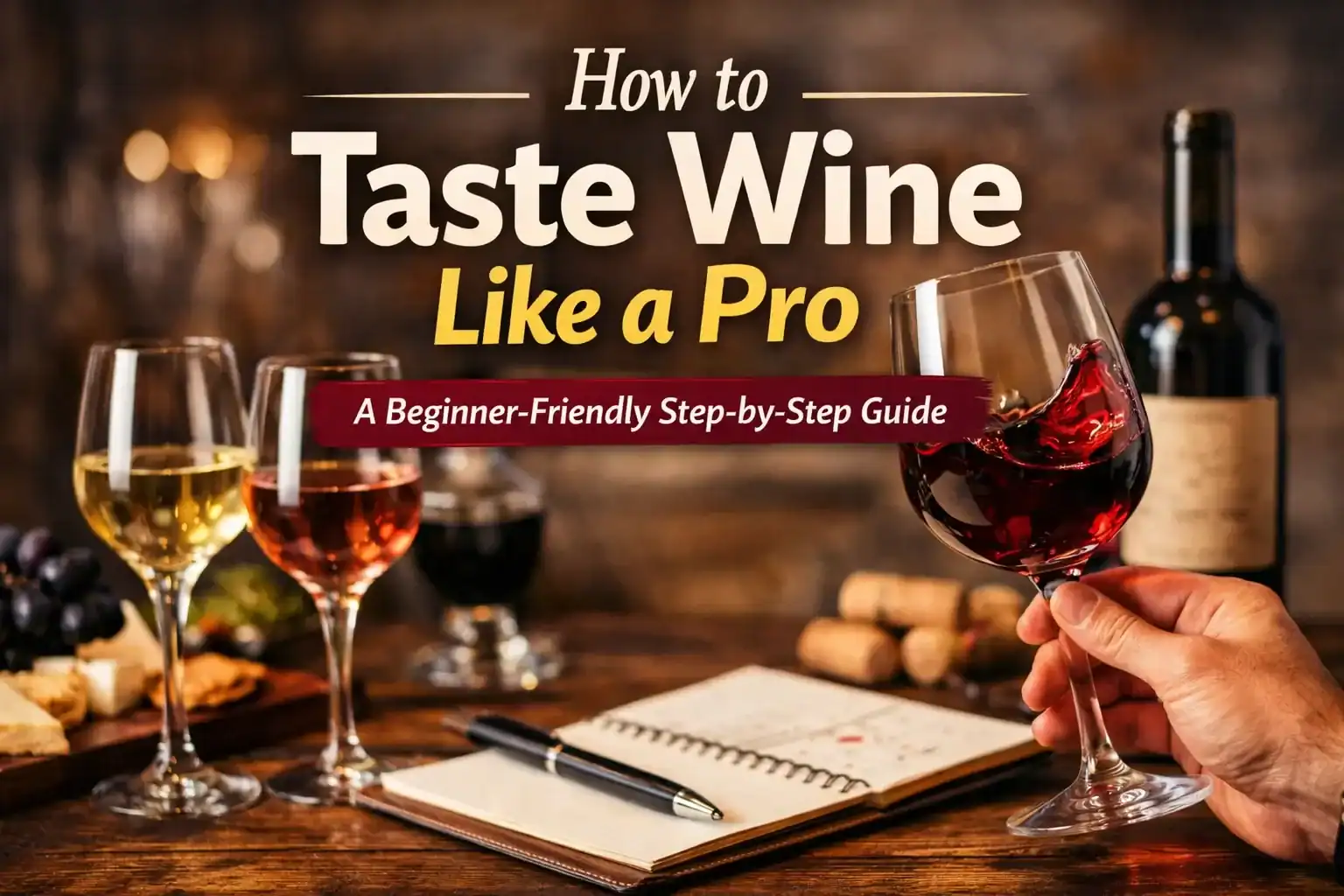
If you want to learn how to taste wine like a pro step by step, start with a simple truth: pros do not magically know more from one sip. They follow a repeatable system. Once you learn that system—look, swirl, smell, sip, and savor—you will notice more in every glass without needing wine-snob language or perfect tasting notes.
Wine tasting is a skill, not a talent test. This guide shows you exactly what to do, what to notice, and how to practice at home so your next glass feels more interesting and much less confusing.
| Key Takeaways: Professional wine tasting follows a repeatable order: look, swirl, smell, sip, and savor. Beginners improve faster when they focus on structure first: sweetness, acidity, tannin, body, and finish.“Dry” means low sweetness, not bitter. Tasting two or three wines side by side is one of the fastest ways to build your palate. |
Table of Contents
How to Taste Wine Like a Pro Step by Step: The Fast 5-Step Method
To taste wine like a pro, follow five steps in order: look, swirl, smell, sip, and savor. That sequence helps you notice the wine’s appearance, aroma, texture, balance, and finish without skipping the clues that make one bottle feel light, bold, fresh, soft, or drying.
Professional tasting systems use that same logic. WSET’s Systematic Approach to Tasting trains tasters to assess wine through appearance, nose, palate, and conclusion, while Wine Folly’s beginner method also breaks tasting into a simple step-based process that helps people build recall and palate confidence.
- Look. Hold the glass against a white background. Check the color, depth, and clarity. A pale lemon white usually feels lighter than a deep golden white. A pale ruby red often feels lighter than an inky purple one.
- Swirl. Give the glass a gentle swirl. This adds air and helps release aromas. You do not need a dramatic restaurant flourish—just a steady circular motion.
- Smell. Take one short sniff, then one deeper sniff. Look for broad scent families first: fruit, floral, spice, herb, earth, or oak. You do not need to identify rare notes to do this well.
- Sip. Take a small sip and let it move across your mouth. Ask simple questions: Is it dry or sweet? Crisp or soft? Light or full? Does it make your mouth feel dry?
- Savor. Notice what lingers after you swallow or spit. A wine with a more noticeable finish usually leaves fruit, spice, acidity, or tannin behind for a few extra seconds.
| Step | What to Do | What to Notice | What It Tells You | Common Beginner Mistake |
| Look | Check color and clarity | Pale vs deep, bright vs cloudy | Style, age cues, concentration | Overthinking legs too early |
| Swirl | Gently rotate the glass | Aroma opens up | Helps release scent compounds | Swirling too hard |
| Smell | Take two focused sniffs | Fruit, floral, spice, earth | Aroma profile and intensity | Trying to sound too specific |
| Sip | Let wine coat your mouth | Sweetness, acidity, tannin, body | Structure and balance | Drinking too fast |
| Savor | Notice what stays | Finish length and texture | Overall impression | Moving on too quickly |
A helpful shortcut: do not chase perfect descriptors in the beginning. Chase clear noticing.
For the bigger beginner picture, start with our wine guide for beginners, and then use this tasting method when you open your next bottle.
Need an easy bottle to practice with first? See what wine beginners should start with.
What Each Step Actually Tells You About the Wine
The five steps matter because each one gives you a different kind of information. Color can hint at style, smell gives you aroma clues, and the sip tells you about structure. Once you understand what each signal means, wine tasting gets much easier and much more fun.
This is also how formal tasting grids think about wine. Wine Enthusiast’s tasting grid overview highlights sweetness, acidity, tannin, body, and finish as the core palate elements that help tasters describe wine clearly and consistently.
What color and clarity can suggest
Color alone will not tell you everything, but it gives you a starting point. In general, lighter-looking wines often feel lighter on the palate, while deeper-looking wines can feel richer or more concentrated. A very cloudy wine might suggest sediment, bottle variation, or a less filtered style.
How aroma clues work
Smell is where many beginners start to understand wine. Instead of chasing exact notes, sort aromas into broad buckets: fruit, floral, spice, herbal, or earthy. That is enough to start building confidence.
- Fruit: apple, lemon, cherry, blackberry
- Floral: rose, blossom, violet
- Spice: pepper, clove, vanilla
- Herbal/earthy: grass, herbs, mushrooms, soil
How to spot acidity, tannin, body, and finish
- Acidity feels crisp, lively, or mouthwatering.
- Tannin feels drying, especially on your gums and cheeks.
- Body is the wine’s weight, from light to full.
- Finish is how long the flavor and texture stay after you swallow.
A beginner-friendly comparison helps. Sauvignon Blanc often feels crisp and zippy because acidity stands out. Cabernet Sauvignon often feels firmer because tannin stands out. Once you notice that difference a few times, your tasting notes become much easier to write.
To connect structure with style, compare this guide with red wine vs. white wine for beginners or browse common wine grape varieties.
How to Practice Wine Tasting at Home Without Feeling Intimidated
You do not need a vineyard trip or a formal class to build tasting skills. The easiest way to practice at home is to taste two or three wines side by side, keep the setup simple, and compare what changes from glass to glass.
That practice approach lines up with palate-training advice from Wine Folly’s at-home palate exercise, which uses contrast and repetition to help tasters notice sweetness, acidity, texture, and flavor differences more accurately.
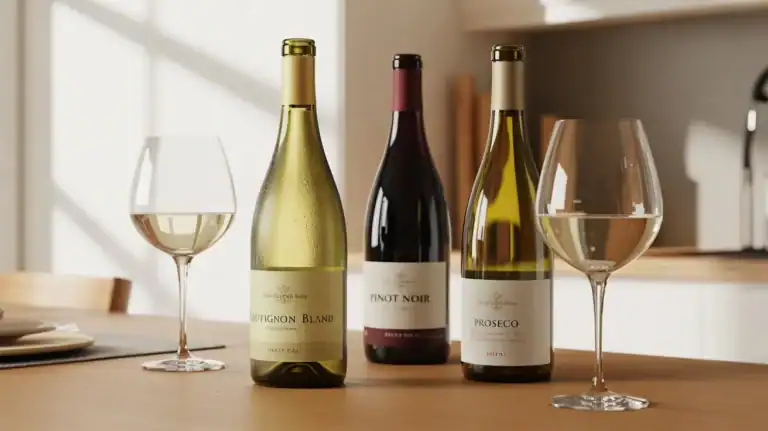
The easiest 3-wine beginner setup
- A crisp white, such as Sauvignon Blanc or Pinot Grigio
- A softer red, such as Pinot Noir
- A fuller red, such as Cabernet Sauvignon or Shiraz
That gives you obvious contrast in acidity, body, and tannin without making the tasting feel complicated.
What to pour and in what order
- Pour small amounts—about 2 ounces per glass is enough.
- Taste from lighter to bolder styles.
- Start with white before red, lower tannin before higher tannin, and lighter body before fuller body.
How to reset your palate
Use plain water and simple crackers or bread. Avoid spicy snacks, strong cheese, gum, or perfume while tasting. Those can flatten or distort what you notice.
Should you swallow or spit?
At home, swallowing is fine if you are tasting one or two small pours. For bigger tastings, spitting keeps your senses sharper.
For easy bottles to compare, see the best cheap wines or the best Italian wines for beginners.
Common Beginner Mistakes That Make Wine Harder to Understand
Most beginners are not confused because wine is not too complicated. They are confused because a few setup mistakes hide the aroma and structure that make a wine easier to read. Fix those mistakes, and the same bottle usually becomes much easier to understand.
One common myth is judging quality by wine legs. Wine Enthusiast explains that legs usually tell you more about alcohol level and viscosity than about quality, so they are interesting to notice but not useful as a scorecard.
- Serving wine too cold or too warm. Ice-cold whites can mute aroma, while overly warm reds can push alcohol to the front.
- Tasting near strong smells. Perfume, candles, and cooking aromas interfere with what your nose can pick up in the glass.
- Drinking too fast. If you sip and move on, you miss sweetness, acidity, tannin, and finish.
- Treating wine legs like a quality score. They are not a shortcut to determining whether a wine is good.
- Trying to sound advanced. Clear notes beat dramatic notes every time.
If you are troubleshooting unpleasant reactions or keeping leftovers for practice, see what causes wine headaches and how long opened wine lasts in the fridge.
Wine Terms Explained Simply for Beginners
You only need a small set of wine terms to sound clear and feel confident. Once you know what dry, acidic, tannic, full-bodied, and finish actually mean, wine tasting becomes much less mysterious.
| Term | Plain-English Meaning | What It Feels Like |
| Dry | Low sweetness | Not sugary |
| Sweet | Noticeable sugar | Fruity and sugary |
| Acidity | Fresh, tart energy | Mouthwatering, crisp |
| Tannin | Drying grip | Dries gums and cheeks |
| Body | Weight of the wine | Light like skim milk or full like cream |
| Finish | What stays after the sip | Short, medium, or lingering |
Dry vs. sweet
Dry does not mean bitter or harsh. It simply means the wine does not taste sweet.
What acidity feels like
Think of the mouthwatering feeling you get from lemon juice. That refreshing lift is what high acidity can feel like in wine.
What tannin feels like
Tannin is the drying, grippy sensation you often notice in red wines. If your mouth feels a little dusty or dry after a sip, tannin is probably showing up.
Light-bodied vs. full-bodied
The body is about weight. A light-bodied wine feels leaner and less dense. A full-bodied wine feels richer and heavier.
What finish means
Finish is the aftertaste and after-feel. A wine does not need a dramatic finish to be enjoyable, but noticing the finish helps you compare wines more clearly.
To connect these terms with bottle labels and grape names, read how to read a wine label and our grape varieties guide.
Wine Tasting Notes for Beginners: How to Build Your Palate Over Time
Your palate improves when you notice patterns and remember them. That is why tasting notes matter. They are not there to make you sound impressive—they help you build a personal reference library, one glass at a time.
That habit mirrors beginner advice from Wine Enthusiast, which recommends noting the producer, vintage, aromas, flavors, and overall impression so you can remember what you liked and why.
Use this simple tasting-note template:
- Look: pale, medium, or deep color
- Smell: two or three broad aroma categories
- Taste: dry or sweet, acidity, tannin, body
- Finish: short, medium, or long
- Overall: what stood out most
Example tasting note: beginner-friendly white
- Look: pale straw
- Smell: lemon, green apple, fresh herbs
- Taste: dry, high acidity, light body
- Finish: clean and crisp
- Overall: refreshing and easy to understand
Example tasting note: beginner-friendly red
- Look: medium ruby
- Smell: cherry, raspberry, light spice
- Taste: dry, medium acidity, low to medium tannin, medium body
- Finish: smooth, medium length
- Overall: soft and approachable
A realistic practice plan
- Taste two wines side by side once a week.
- Write three or four short lines per wine.
- Compare acidity, body, and finish.
- Revisit a favorite bottle later to see what you notice the second time.
The best tasting note is not the most creative one. It is the one that helps you remember why you liked—or did not like—the wine when you see a similar bottle again.
For real-life practice, pair your tasting notes with food using our wine and food pairing guide, or start with something easy like wine with pizza.
FAQ
What are the steps to tasting wine properly?
Use this order: look, swirl, smell, sip, and savor. That sequence helps you notice appearance, aroma, structure, and finish before you decide what the wine feels like overall.
Can beginners really learn to taste wine like a pro?
Yes. “Like a pro” means using a repeatable method, not memorizing rare flavor notes. Beginners improve quickly when they focus on structure and compare wines side by side.
Do wine legs mean the wine is better?
No. Wine legs do not measure quality. They can be influenced by alcohol and sometimes sugar, but they do not tell you whether the wine is well-made or worth buying again.
What wine should I start with for tasting practice?
Start with approachable, easy-to-compare styles such as Sauvignon Blanc, Pinot Grigio, Pinot Noir, or a softer Merlot. The goal is contrast, you can notice, not prestige.
How do I write wine tasting notes as a beginner?
Keep it simple. Write a few words for look, smell, taste, finish, and overall impression. Focus on clear sensations rather than dramatic descriptions.
Use This Method on Your Next Glass
The easiest way to get better at wine tasting is to stop waiting for the right bottle and start using a simple method every time you pour. Look, swirl, smell, sip, and savor. Then write down a few honest notes about sweetness, acidity, tannin, body, and finish.
That is how professionals build consistency, and it is how beginners build confidence.
Use this method on your next glass, then keep learning with our wine guide for beginners, starter wine guide, and wine and food pairing guide. Taste wine like a sommelier—follow this step-by-step guide, trust what you notice, and let each glass teach you something new.