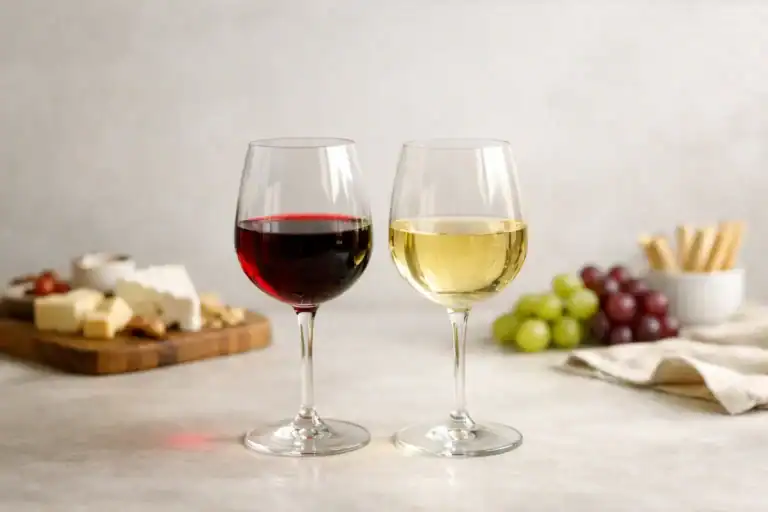

Best Wine for Someone Who Doesn’t Like Wine: 7 Easy Picks

If you’re searching for the best wine for someone who doesn’t like wine, the answer usually isn’t a big, dry red with a fancy label. It’s a chilled, fruit-forward wine that feels easy from the first sip. Many people who say they hate wine actually hate bitterness, sharp dryness, or the hot alcohol feel that comes from starting with the wrong bottle.
That’s good news, because there are several beginner-friendly styles that feel softer, fresher, and less intimidating. This guide gives you a fast shortlist, shows you how to choose by taste preference, and helps you avoid the first-bottle mistakes that make wine seem harder than it needs to be.
Best first picks for reluctant wine drinkers are usually Moscato d’Asti, Prosecco, off-dry Riesling, rosé, Lambrusco, and Pinot Noir. They tend to feel fruitier, lighter, less tannic, and a little sweeter than bold reds, making them easier to enjoy on the first try.
If someone dislikes wine because it tastes bitter or drying, skip big tannic reds first. Choose lower-tannin or lightly sparkling options instead. Moscato d’Asti works for sweet-leaning drinkers, Prosecco suits bubbly party drinkers, and Pinot Noir is usually the gentlest red entry point.
Not every beginner-friendly wine is actually sweet. Some easy-drinking bottles simply feel smoother and less aggressive because they are lighter-bodied, fruit-forward, chilled, or lower in tannin. The best first bottle depends on what the person dislikes most: bitterness, fizz, sweetness, or red wine itself.
Key Takeaways
- Start with chilled, fruit-forward wines before bold reds.
- Moscato d’Asti, Prosecco, rosé, and off-dry Riesling are the safest first picks.
- If you hate bitter wine, avoid tannic reds first.
- Pinot Noir is usually the easiest red entry point for beginners.
Table of Contents
The Short Answer: Start With Chilled, Fruit-Forward Wines
The best starting point for someone who doesn’t like wine is usually a chilled white, rosé, or sparkling wine with soft fruit flavors and little to no drying bitterness. These wines feel lighter, more refreshing, and easier to enjoy than bold reds that can seem sharp, bitter, or heavy on the first try.
Wine educators often describe these styles in the same approachable terms. Wine Folly’s Moscato d’Asti guide notes that the style is lightly sparkling and typically around 4.5–6% ABV, while WSET’s sparkling wine guide describes Prosecco as fresh, lightly sparkling, and fruit-forward. That combination is exactly why these wines tend to land better with hesitant drinkers than big, structured reds.
Citation capsule: Beginner-friendly wine advice repeatedly points reluctant drinkers toward lighter, fruit-forward styles such as Moscato, Prosecco, rosé, Riesling, and softer reds because they usually feel less tannic, less aggressive, and easier to like from the first sip.
| Light to medium/soft tannin | Sweetness | Body / tannin | Best for | Avoid if | Starter rating |
| Moscato d’Asti | Sweet | Light / very low tannin | Sweet drinkers, low-pressure sipping | You dislike sweetness | Easiest |
| Prosecco | Dry to off-dry feel | Light / no tannin | Parties, bubbly drinkers | You hate fizz | Very easy |
| Off-dry Riesling | Off-dry | Light / no tannin | Fresh, fruity white wine | You only want red wine | Very easy |
| Rosé | Dry to lightly fruity | Light / low tannin | Safe crowd-pleaser | You want something very sweet | Easy |
| Lambrusco | Dry to off-dry | Light to medium / low tannin | Pizza night, red-curious drinkers | You want still wine only | Moderate-easy |
| Pinot Noir | Dry | Light to medium / soft tannin | First red wine | You only like sweet flavors | Moderate-easy |
What wine a beginner should start with is the best next read if you want the broader starter guide beyond the hesitant-drinker angle.
Match the Wine to What You Don’t Like About Wine
The easiest way to choose wine is not by color, country, or prestige. It’s by identifying what usually turns you off. If you hate bitterness, dryness, fizz, or red wine specifically, you can narrow the field fast and skip a lot of disappointing bottles.
Citation capsule: A hesitant drinker usually isn’t rejecting all wine. They’re reacting to one or two traits, such as bitterness, dryness, alcohol heat, or heavy body. Matching the bottle to that aversion is more useful than giving a generic best wine for beginners list.
If you hate bitterness or that dry-mouth feeling, start with wines that are low in tannin. Tannins are what make many red wines feel drying or a little bitter on your tongue, which is why full-bodied reds often push beginners away early.
Better picks: rosé, Pinot Noir, Moscato d’Asti, off-dry Riesling, and lighter Lambrusco styles.
Red wine vs white wine for beginners gives a simple side-by-side explanation of how tannin and body change the drinking experience.
If you like sweet drinks, you’ll probably enjoy wine more if it has a little softness and fruit upfront. Moscato d’Asti is the cleanest starting point here, but off-dry Riesling also works well if you want something fresher and less dessert-like.
If you like bubbles and party drinks, sparkling wine can be a surprisingly safe entry point because it feels lively, cold, and social instead of heavy. Prosecco works especially well when you want a bottle that casual drinkers will actually pour a second glass of.
If you think you hate red wine, don’t start with Cabernet Sauvignon or Syrah. Start with a softer red like Pinot Noir, or a juicy, food-friendly red like Barbera.
What causes wine headaches is a useful supporting read for readers who associate wine with harsh or unpleasant first experiences.
7 Best Wine Styles for Someone Who Doesn’t Like Wine
If you want the practical shortlist, this is it. These seven styles give you the best odds of finding a wine that feels easy, friendly, and worth trying again. They also work well across the USA and Canada because they’re widely available in many wine shops and grocery stores that sell wine.
Citation capsule: The most approachable wines for reluctant drinkers usually share the same pattern: fruit-forward flavor, low or moderate body, low tannin, and a chilled serving style or softer finish. That’s why this shortlist leans toward white, sparkling, rosé, and lighter reds.
1. Moscato d’Asti — best for sweet, low-pressure sipping
This is one of the safest choices for people who normally avoid wine. It’s lightly sparkling, gently sweet, and lower in alcohol than many still wines. Wine Folly notes that Moscato d’Asti is typically frizzante and usually sits around 4.5–6% ABV, which helps explain why it feels softer and less boozy than many full-strength still wines.
- You like sweet cocktails
- You want something light and easy
- You want a first yes wine
2. Prosecco — best for parties and easy bubbles
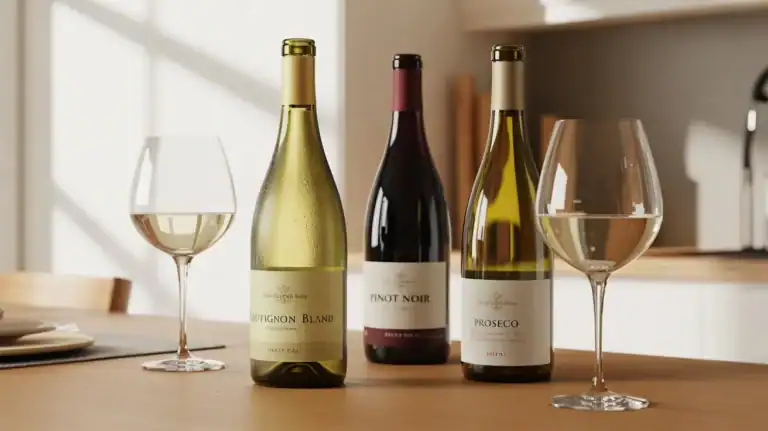
Prosecco is usually drier than Moscato, but it still feels approachable because the fruit and bubbles keep it lively. WSET describes Prosecco as typically fresh, lightly sparkling, and fruit-forward, while Wine Folly highlights flavors such as pear and green apple. That profile makes it a strong party bottle for casual drinkers.
- You want something social and crowd-friendly
- You like sparkling drinks
- You want a safe party bottle
3. Off-dry Riesling — best for freshness without heaviness
Riesling is a great bridge wine. Wine Folly’s Riesling guides explain that the grape can span dry to sweet styles, with off-dry versions balancing sweetness and acidity especially well. That makes it one of the best wines for people who don’t like wine but still want something that tastes like real wine instead of liquid candy.
- You want a white wine with fruit and freshness
- You don’t want a heavy bottle
- You want something flexible with food
4. Rosé — best for somewhere in the middle
Rosé works because it doesn’t ask too much of the drinker. It’s usually light, refreshing, and fruit-driven, but not always obviously sweet. For many hesitant drinkers, that balance feels just right, especially when the bottle is served cold.
- You want a bottle that works for different tastes
- You’re buying for a gift
- You want something that feels casual, not intimidating
5. Lambrusco — best for pizza night and reluctant red drinkers
Lambrusco is a smart pick when someone wants red-wine vibes without the heaviness of a bold red. Wine Folly describes lighter Lambrusco styles as lively and fruit-forward, which is why they can feel more playful than formal at the table.
- You want red fruit flavors
- You’re serving pizza, burgers, or salty snacks
- You want something more playful than serious
6. Pinot Noir — best first red for beginners
If someone insists on trying red wine, Pinot Noir is usually the safest starting point. Wine Folly describes Pinot Noir as light- to medium-bodied with lower tannins, and VinePair’s beginner guidance often points new red-wine drinkers in that same direction. The result is a red that usually feels softer and less drying than bolder styles.
- You want to start with red wine
- You prefer smoother textures
- You don’t want a mouth-drying finish
7. Barbera — best fruity red if Pinot feels too light
Barbera is a useful next step when Pinot Noir feels too delicate but Cabernet still sounds like too much. It often brings brighter fruit and a softer profile than more tannic reds, which makes it a good choice for readers who want more flavor without a huge jump in structure.
- You want a red with more flavor but not too much weight
- You like juicy fruit notes
- You want a food-friendly red for casual dinners
A Wine and food pairing guide is a strong follow-up if the reader is choosing by meal, while the wine grape varieties guide helps decode how grapes change taste from one bottle to the next.
Best cheap wines are the practical next stop for readers who are ready to shop on a budget.
Which Wines Should You Avoid First?
If you think you hate wine, the wrong first bottle can lock that feeling in. That’s why knowing what to avoid matters almost as much as knowing what to buy. The goal is to skip wines that feel drying, sharp, heavy, or overly serious right away.
Citation capsule: Reluctant drinkers usually struggle most with big tannic reds, austere dry wines, and bottles chosen for prestige instead of drinkability. Starting softer improves the odds of a good first experience and makes it easier to build confidence.
- Bold, tannic reds — These can feel bitter and drying, which is often what people mean when they say wine tastes harsh.
- Very dry, high-structure wines — These can feel more serious than enjoyable if you’re new.
- High-alcohol wines — Some bottles taste hot or boozy, which can be a turnoff for hesitant drinkers.
- Expensive prestige bottles bought for status — A fancy bottle is not automatically the best wine for beginners.
A practical example: if someone mostly drinks soda, cocktails, or hard seltzer, handing them a big oaky red usually goes badly. Handing them a chilled Moscato, Prosecco, or easy rosé gives them a much better shot.
Red wine vs white wine for beginners can help readers understand why lighter styles tend to feel easier at the start.
Best Wine by Situation: Parties, Gifts, Pizza, and Sweet-Drink Drinkers
The right bottle changes with the moment. A wine that works well at a party might not be the same one you’d buy as a gift or open with pizza. Matching the wine to the occasion makes the choice easier and safer.
Citation capsule: Occasion-based choices help beginners more than generic top 10 lists because context changes what counts as approachable. Bubbles work well at parties, rosé works well as a gift, and softer sparkling reds often shine with casual foods like pizza.
Best wine for a party
Go with Prosecco or rosé. Both are easy to pour, easy to talk into trying, and easy to like without a long explanation.
Best wine as a gift
Choose rosé or off-dry Riesling. They feel thoughtful without being risky or overly niche.
Best wine with pizza
Pick Lambrusco if you want something fun and food-friendly, or a soft Pinot Noir if you want still red wine.
Best wine for someone who usually drinks sweet cocktails
Start with Moscato d’Asti. It’s the cleanest bridge from sweeter drinks into wine.
Best wine with pizza is the best next supporting page for the pizza angle, and best Italian wines for beginners gives readers another low-pressure path into approachable styles.
How to Buy the Right Bottle Without Knowing Wine
You do not need to know vineyards, vintages, or tasting jargon to buy a decent beginner bottle. You just need a few shelf cues that help you avoid common traps and steer toward wines that actually feel easy to drink.
Citation capsule: For beginners, shopping success usually comes from simple label cues rather than deep wine knowledge. Words like fruity, crisp, smooth, and off-dry are usually more useful than chasing prestige regions or complicated tasting notes.
Look for these words first: fruity, off-dry, crisp, smooth, light-bodied, and sparkling.
Be more careful with: full-bodied, firm tannins, oaky, robust, and dry red blend.
A good beginner buying rule is to stay in a sensible price lane. You do not need the cheapest bottle on the shelf, but you also do not need to spend a lot to find an easy-drinking wine for beginners. A modestly priced bottle in the right style usually beats an expensive bottle in the wrong style.
One more useful trick: buy by style before you buy by brand. Prosecco or off-dry Riesling is often a safer target than grabbing an unfamiliar label and hoping for the best.
How to Read a wine label is the practical companion piece here, and the complete beginner’s guide to wine gives readers the bigger picture if they want to keep learning.
FAQ
What is the best wine for someone who doesn’t like wine?
For most people, the safest first picks are Moscato d’Asti, Prosecco, rosé, and off-dry Riesling. If they want red wine, Pinot Noir is usually the gentlest place to start.
Is sweet wine better for beginners?
Often, yes, but not always. Some beginners like a little sweetness because it softens the experience. Others prefer fruit-forward but not sweet wines, such as rosé or a light Pinot Noir.
What red wine is easiest for beginners to drink?
Pinot Noir is usually the easiest red entry point because it tends to be lighter and softer than bolder reds. Barbera can also work well for people who want a fruitier red without too much structure.
What wine should I buy for someone who usually drinks cocktails?
Moscato d’Asti is the easiest bridge for many cocktail drinkers. Prosecco also works well if they prefer bubbles over sweetness.
Is Prosecco or Moscato better for someone who hates wine?
Choose Moscato if they like sweeter drinks and want something softer. Choose Prosecco if they want something fresher, less sweet, and more party-friendly.
Final Takeaway
The best wine for someone who doesn’t like wine is usually the one that feels easiest to say yes to, not the one that looks most impressive on the shelf. Start chilled, start fruit-forward, and avoid harsh, drying reds until the person actually wants to explore them.
That shift makes wine feel less like homework and more like a drink you might genuinely enjoy.
Discover wines even non-drinkers will love—find your match!
What wine a beginner should start with is the best next supporting page, followed by how to taste wine like a pro, for readers who want to build confidence.