
Wine and Food Pairing Guide for Beginners 2026

Wine pairing sounds complicated until you break it into a few simple patterns. This wine and food pairing guide is for beginners who want clear rules, easy bottle ideas, and real-life examples for pizza night, pasta dinners, takeout, and casual meals with friends. You do not need a perfect palate. You just need to know what to look for in the food and which wine styles are the safest place to start.
| Key Takeaways |
| • Match light foods with lighter wines and rich foods with fuller wines. |
| • High-acid wines usually work better with food than soft, low-acid wines. |
| • Slightly sweet wines often handle spicy food better than dry, tannic reds. |
| • Sparkling wine, Riesling, Sauvignon Blanc, Pinot Noir, and dry rosé are safe beginner picks. |
| • Sauce and seasoning usually matter more than the main protein. |
In this guide: The 5 pairing rules · A pairing chart for common foods · The easiest wines to start with · Common mistakes to avoid · Quick FAQ
Table of Contents
How to pair wine with food: the short answer
Start with the weight of the dish, then check acidity, sweetness, and tannin. Light meals usually want lighter wines, while richer dishes can carry more body. When you are unsure, a fresh, food-friendly wine is usually a safer choice than a heavy, powerful bottle.
Think of pairing as balance, not perfection. A delicate white fish can disappear next to a bold, oaky red, while a grilled steak can make a very light wine feel thin. Matching intensity is the first decision because it stops the wine or the food from dominating the plate.
After that, look at the dish itself. Does it have lemon, tomato, vinegar, or another bright element? A wine with good acidity usually keeps up better. Is it rich, salty, or fatty? Tannic reds often feel smoother with those foods. Is the dish spicy or slightly sweet? A little sweetness in the wine can make the pairing much easier.
For most beginners, it helps to keep a few reliable styles in mind: sparkling wine, Sauvignon Blanc, Riesling, Pinot Noir, and dry rosé. These wines cover a surprising number of meals without creating hard clashes.
Related reading: Beginner’s Guide to Wine
The 5 wine pairing rules that matter most
If you only remember five things, remember these: match intensity, pay attention to acidity, use sweetness with spicy or sweet foods, let fat soften tannin, and pair to the full dish instead of just the main protein.
1. Match the weight of the wine to the weight of the dish. Light salads, grilled shrimp, and simple fish dishes usually want lighter wines. Creamy pasta, roast chicken, and grilled meats can handle more body.
2. Let acidity do a lot of the work. High-acid wines stay lively with tomato sauces, vinaigrettes, lemon, and many seafood dishes. If the food tastes bright, the wine usually should too.
3. Use sweetness when the food is spicy or sweet. Spicy food can make dry, tannic, high-alcohol wines feel hotter and harsher. A slightly sweet Riesling or off-dry white usually feels calmer and more refreshing.
4. Tannins love fat and salt. That is why bigger reds often feel smoother with steak, burgers, hard cheese, or charred meats. The food softens the wine while the wine keeps the meal from feeling heavy.
5. Pair to the sauce and seasoning, not just the protein. Chicken can swing toward crisp white, light red, or even sparkling wine depending on whether the plate is lemony, creamy, smoky, or spicy.
Related reading: How to Read a Wine Label
A wine pairing chart for beginners: what to drink with common foods
When dinner is already decided, a food-first pairing chart is the fastest way to choose a bottle. Use the table below as a starting point, then adjust for sauce, spice, and how bold the flavors are.
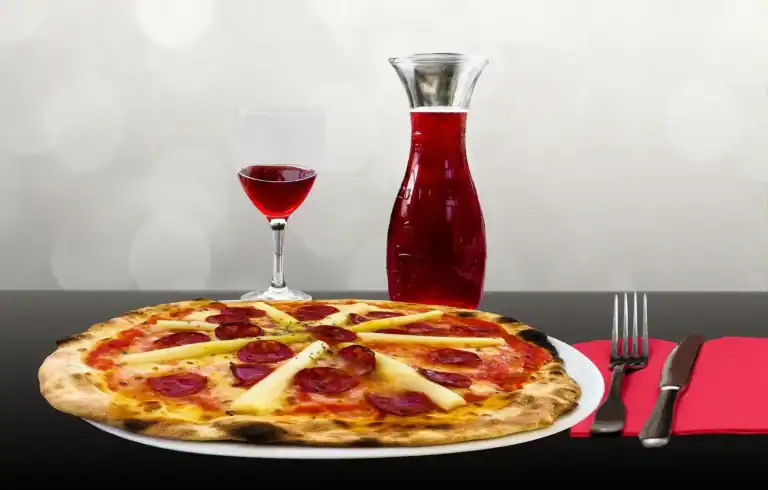
Pizza is a good reminder that the same category can behave very differently. Cheese pizza, pepperoni pizza, white pizza, and veggie pizza do not all want the same wine. Tomato sauce pushes you toward acidity, spice pushes you away from harsh tannin, and creamy white sauce changes the whole picture.
The same idea applies to steak, chicken, and seafood. A grilled ribeye can handle Cabernet Sauvignon, but a leaner cut with chimichurri may feel better with something brighter. Roast chicken with lemon and herbs leans one way; chicken in a creamy mushroom sauce leans another.
| Food / dish | Best beginner wine styles | Why it works | Be careful with |
| White fish, shrimp, crab | Sauvignon Blanc, Pinot Grigio, sparkling wine | Light body, clean finish, fresh acidity | Heavy, tannic reds |
| Salmon | Pinot Noir, Chardonnay, dry rosé | More flavor and texture than white fish | Very delicate whites |
| Roast chicken or turkey | Chardonnay, Pinot Noir, dry rosé | Flexible protein that changes with herbs and sauce | Very bold reds unless the dish is rich |
| Creamy pasta | Chardonnay, Pinot Noir, sparkling wine | Enough body or acidity to handle cream | Thin, sharp wines with no texture |
| Tomato pasta or pizza | Sangiovese-style reds, Pinot Noir, sparkling wine | Tomato loves acidity | Soft, low-acid reds that taste dull |
| Burgers, steak, barbecue | Cabernet Sauvignon, Syrah, Malbec | Fat and char help bigger reds feel smoother | Light whites that get overwhelmed |
| Spicy takeout or curry | Riesling, aromatic whites, off-dry rosé | Softens heat and keeps the palate fresh | Hot, high-alcohol reds |
| Mushrooms or earthy vegetarian dishes | Pinot Noir, Chardonnay, dry rosé | Earthy flavors suit balanced wines | Very jammy, sweet reds |
| Cheese boards | Sparkling wine, Sauvignon Blanc, Pinot Noir | Versatile across salty and creamy textures | One giant red for every cheese |
| Fruit desserts | Moscato, off-dry Riesling, sweet wine styles | Dessert needs equally sweet or sweeter wine | Dry red wine |
Use the chart as a starting point, then adjust for sauce, spice, and overall intensity.
Related reading: What Wine Pairs Best with Pizza?
The easiest wine styles to start with
When you are standing in the store with no plan, a short list of forgiving wines is more useful than a giant grape encyclopedia. Start with styles that are fresh, balanced, and not too extreme in oak, alcohol, or tannin.
Sparkling wine is one of the safest all-around choices. The bubbles and acidity make it refreshing with salty snacks, seafood, fried food, and mixed appetizer tables.
Sauvignon Blanc is crisp and bright, which makes it easy with salads, fish, herbs, goat cheese, and many lighter meals. It is a smart weeknight bottle because it works with simple food.
Riesling is especially useful with spicy food, takeout, and dishes that mix sweet and savory flavors. Even a slight touch of sweetness can make a pairing feel more balanced.
Pinot Noir is often the easiest red to pair because it is usually lighter than Cabernet or Syrah, with enough acidity to stay flexible. It works well with salmon, roast chicken, mushrooms, and many pork dishes.
Dry rosé is a dependable middle ground when the table has mixed foods. It can handle salads, grilled vegetables, seafood, lighter meats, and casual snacks better than many people expect.
• Sparkling wine — refreshing with salty snacks, seafood, fried food, and mixed appetizers.
• Sauvignon Blanc — crisp and bright with salads, fish, herbs, and lighter meals.
• Riesling — especially handy with spicy food, takeout, and sweet-savory dishes.
• Pinot Noir — a flexible red for salmon, roast chicken, mushrooms, and pork.
• Dry rosé — a reliable middle ground when the table has mixed foods.
Related reading: The Best Cheap Wines You Can Actually Feel Good About | Best Italian Wines for Beginners to Try
Common wine pairing mistakes beginners make (wine and food pairing guide)
Most pairing mistakes happen because a shortcut gets treated like a rule. Once you know where beginners usually go wrong, wine gets easier and a lot more fun.
Mistake one is taking “red with meat, white with fish” too literally. That old rule can point you in the right direction, but it breaks down fast once sauce, spice, cooking method, and texture change. Salmon often works with Pinot Noir, and chicken can go almost anywhere depending on the plate.
Mistake two is ignoring the sauce. Tomato sauce, butter sauce, cream sauce, soy glaze, barbecue sauce, and chili heat all push pairings in different directions. If you only look at the protein, you miss the better clue.
Mistake three is assuming bigger wine means better wine. Not usually. A heavy red can flatten a light meal and make the whole dinner feel awkward. Balance matters more than power.
Mistake four is forgetting sweetness with spice. Dry, tannic reds can feel rough and hot next to spicy food, while a softer, slightly sweet white often feels refreshing.
A smarter beginner goal is to choose wines that are pretty good with many foods before chasing a so-called perfect pairing for one dish. That approach is cheaper, easier, and much more realistic for weeknight dinners.
Related reading: Syrah vs Shiraz — Are They Actually the Same Wine?
What to pour when you have no idea what matches
When you are staring at a menu, dealing with takeout, or hosting people with different tastes, choose wines that naturally stay out of the food’s way. Fresh, flexible styles are usually safer than very oaky or very tannic bottles.
For mixed appetizers or party food, sparkling wine is hard to beat. For pizza or tomato-heavy dishes, look for Pinot Noir, Sangiovese-style reds, or sparkling wine. For spicy takeout, off-dry Riesling and aromatic whites are usually easier than bold reds. For roast chicken or salmon, Pinot Noir, Chardonnay, or dry rosé are dependable options.
At a restaurant, use a fast three-part check: Is the dish light or rich? Is it spicy, acidic, creamy, or smoky? Do you want the wine to refresh the palate or match the weight of the food? That thirty-second scan gets you surprisingly far.
If you want one practical house rule, keep one crisp white or sparkling wine and one lighter red or dry rosé at home. That simple move covers a lot of dinners without much guesswork.
| Quick fallback picks |
| • Mixed appetizers or party food: sparkling wine |
| • Pizza or tomato-heavy dishes: Pinot Noir, Sangiovese-style reds, or sparkling wine |
| • Spicy takeout: off-dry Riesling or aromatic whites |
| • Roast chicken or salmon: Pinot Noir, Chardonnay, or dry rosé |
| • Burgers or grilled meats: Cabernet Sauvignon, Syrah, or Malbec |
Fast restaurant rule: ask whether the dish is light or rich, then check whether it is spicy, acidic, creamy, or smoky before choosing the wine.
Related reading: 19 Crimes Wine Review — Is It Worth Buying? | How Long Does Opened Wine Last in the Fridge?
FAQ
What are the basic rules of wine and food pairing?
Match the weight of the wine to the weight of the food, then look at acidity, sweetness, tannin, and the dominant flavor in the dish. Acidic foods usually want acidic wines, spicy dishes often work better with slightly sweet wines, and fatty foods can soften tannic reds.
What wine goes with pizza?
Pizza usually likes wines with good acidity because tomato sauce is acidic. Pinot Noir, Sangiovese-style reds, sparkling wine, and some dry rosés are strong beginner choices. White pizza can lean toward Chardonnay or sparkling wine instead.
Is red wine always better with meat and white wine with fish?
No. That rule is only a shortcut. Salmon often works with Pinot Noir, and chicken can go in many directions depending on the sauce, seasoning, and cooking method.
What is the easiest wine to pair with food?
Sparkling wine is probably the safest all-around answer, with dry rosé, Sauvignon Blanc, Riesling, and Pinot Noir close behind. These styles are flexible and create fewer harsh mismatches than very bold or heavily oaked wines.
How do I pair wine with spicy food?
Look for freshness and a touch of sweetness. Off-dry Riesling, aromatic whites, and some sparkling wines usually work better than hot, tannic reds. High alcohol can make spicy heat feel stronger.
Wrap-up and next step
You do not need to memorize every grape or chase perfect pairings to enjoy wine more. Start with the basics: match weight, respect acidity, use sweetness when spice is involved, and keep a few flexible wines around the house. That alone will make dinners feel more intentional and less stressful.
Pair like a pro—start matching wines with meals today, then keep building confidence with the next beginner guides on WizePulse.
Next reads: The Complete Beginner’s Guide to Wine (2026) | How to Read a Wine Label — A Beginner’s Guide | What Wine Pairs Best with Pizza?