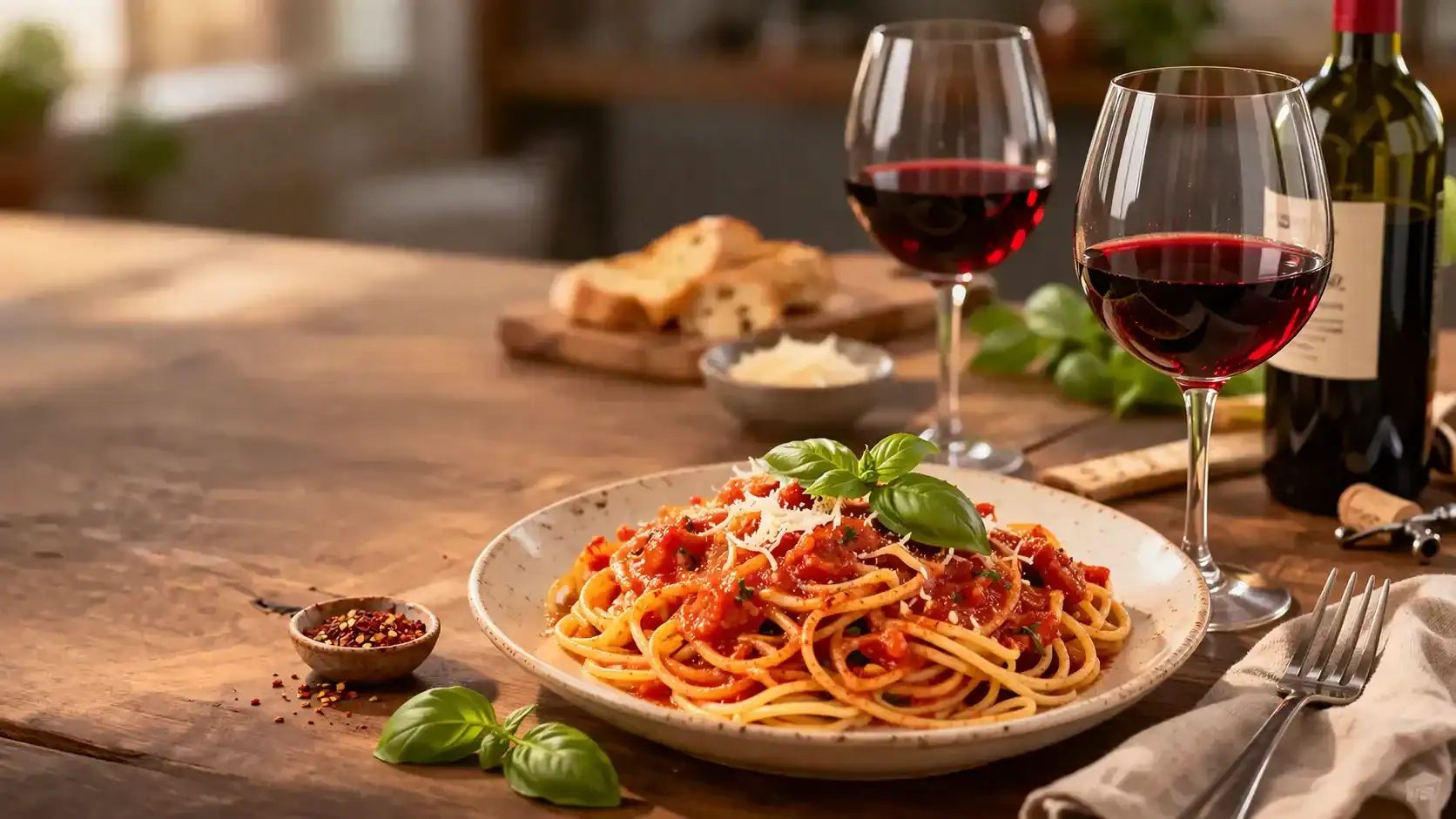
What Wine Goes with Pasta and Red Sauce? 6 Easy Pairings

If you’re wondering what wine goes with pasta and red sauce, the easiest answer is a high-acid, medium-bodied red like Chianti or Barbera. Tomato sauce has enough brightness and tang to flatten the wrong bottle, so the goal is to choose a wine with freshness, moderate body, and little to no heavy oak. As Wine Folly explains, sauce matters more than pasta in most pairings, which makes tomato-based dishes much easier to match once you focus on acidity first.
This guide keeps the decision simple. You’ll get one safe overall answer, quick picks for marinara, spicy sauce, meat sauce, and baked pasta, plus a few bottles to avoid so you don’t waste money on a wine that fights your dinner. If you need a broader foundation before you start pairing, see the wine and food pairing guide.
| Key Takeaways: Best overall pick: Chianti or Barbera. Tomato sauce usually works best with high-acid, medium-bodied reds. Montepulciano is a strong option for spicy or richer red sauces. Avoid sweet wines and big, heavily oaked reds with simple tomato pasta. |
Table of Contents
The best wine for pasta and red sauce, in one quick answer (What Wine Goes with Pasta and Red Sauce?)
For most home cooks, the safest wines for pasta and red sauce are Chianti, Barbera, and Montepulciano d’Abruzzo. They are dry, food-friendly, and much less likely to overpower tomato sauce than a big, oaky red. If you want one bottle with the fewest chances of missing, start with Chianti.
| Wine style | Best for | Taste profile | Why it works | What to avoid pairing it with |
| Chianti / Sangiovese | Marinara, spaghetti, meatballs | Tart cherry, herbs, dry finish | Matches tomato acidity and herbs | Very sweet sauces |
| Barbera | Simple red sauce, weeknight pasta | Juicy, bright, low-tannin | Fresh acidity and easy-drinking style | Heavy cream-tomato hybrids |
| Montepulciano d’Abruzzo | Arrabbiata, richer red sauce | Darker fruit, soft spice | Handles spice and fuller sauce | Delicate tomato-only dishes if the bottle is too rich |
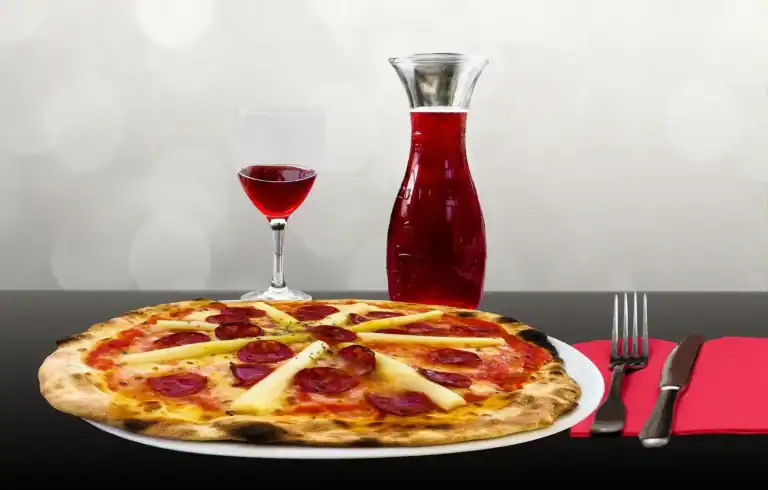
| Dry Lambrusco | Pizza, baked pasta, casual red-sauce meals | Fizzy, tart, refreshing | Acidity and bubbles lift rich tomato dishes | Ultra-delicate pasta dishes |
| Primitivo | Spicy sauce, meatier tomato sauces | Riper fruit, fuller feel | Works when the sauce gets bolder | Plain marinara if the wine is jammy |
That basic answer lines up with advice from Wine Folly, Food & Wine, and The Wine Society, all of which lean toward bright reds with enough acidity to keep up with tomato-based sauces.
Why does tomato sauce change the wine pairing
Pasta is neutral, but red sauce is not. Tomatoes bring acidity, a little sweetness, herbs, and sometimes meat or chili heat, so the wine needs enough freshness to keep up. That is why pairing wine with the sauce, not the pasta itself, usually gives a better result.
A plain bowl of spaghetti marinara and a tray of baked ziti may both be red-sauce dishes, but they do not need the exact same bottle. Marinara stays lighter and brighter. Baked pasta becomes heavier because of the cheese and browned edges. Add sausage or meatballs, and the wine can move a little fuller, too.
A simple way to think about it:
- More tomato brightness means you want a fresher, brighter wine.
- More meat or cheese means you can move slightly fuller in body.
- More chili heat means you should avoid harsh tannins and overly aggressive reds.
- More herbs and garlic usually favor savory, food-friendly styles over sweet ones.
If you are still learning terms like acidity, body, and tannin, the wine guide for beginners will make the rest of this page much easier to use.
Best wines for marinara or simple spaghetti with red sauce
For plain marinara or spaghetti with red sauce, stay bright, dry, and medium-bodied. This is the easiest use case to pair because the sauce is leading with tomato, garlic, and herbs rather than heavy meat or lots of cheese.
Chianti
Chianti is the classic answer for a reason. It usually brings tart cherry fruit, savory notes, dryness, and enough acidity to feel natural with tomato sauce. If dinner is spaghetti marinara, spaghetti and meatballs, or penne with a simple red sauce, Chianti is hard to beat.
Barbera
Barbera is one of the easiest beginner picks because it tends to be bright, juicy, and lower in harsh tannin. The Wine Society specifically highlights Barbera as a strong pairing with tomato-sauce pasta, and that is exactly why it works so well for weeknight meals.
Montepulciano d’Abruzzo
Montepulciano gives you darker fruit and a little more weight than Chianti or Barbera, but it can still work beautifully with red sauce when the pasta leans richer. It is especially useful when you want something crowd-pleasing that still feels approachable.
If you are standing in a U.S. shop with no clue where to start, look for Chianti, Barbera, or Montepulciano d’Abruzzo before you look for anything more obscure. For more approachable regional picks, see the best Italian wines for beginners and the wine grape varieties guide.
Best wine by sauce type: spicy, meaty, or baked red-sauce pasta
Once the sauce gets spicier, meatier, or cheesier, the best wine can shift a little. The core rule stays the same—keep the acidity—but richer pasta dishes can handle more depth, darker fruit, or even a sparkling edge if the meal is especially rich.
For spicy red sauce or arrabbiata
If your pasta has chili heat, Montepulciano is one of the smartest choices. The Wine Society directly notes that Montepulciano works especially well with slightly spicy arrabbiata sauce. Primitivo can work too, as long as it is not overly sweet or jammy.
For meat sauce or bolognese-style red sauce
When the sauce includes beef, pork, sausage, or meatballs, you can move a touch fuller. Chianti still works, but this is also where Montepulciano or a balanced, darker-fruited red can make sense. Wine Folly makes the same point: richer tomato sauces can handle more body as long as the wine keeps enough acidity to stay balanced.
For lasagna or baked pasta
Cheese, baked edges, and extra richness make baked pasta more flexible. Food & Wine calls dry Lambrusco a strong tomato-sauce partner, and the same logic works here because acidity and bubbles refresh the palate after heavier bites.
| Sauce type | Best first choice | Strong backup | Why it works |
| Marinara | Chianti | Barbera | Bright acidity matches tomato and herbs |
| Arrabbiata | Montepulciano | Primitivo | Handles spice with more fruit and body |
| Meat sauce | Chianti Classico | Montepulciano | Enough structure without losing freshness |
| Spaghetti and meatballs | Barbera | Chianti | Balances tomato, meat, and herbs |
| Lasagna / baked ziti | Dry Lambrusco | Montepulciano | Cuts through richness and keeps things lively |
Planning a second tomato-heavy dinner this week? The wine with pizza guide is the most natural follow-up from this page.
Can white wine, rosé, or sparkling wine work with red sauce pasta?
Yes, but they are usually backup options rather than the safest first choice. Most very light whites get buried by tomato sauce, while dry rosé or dry Lambrusco tends to work more often because both bring freshness without disappearing on the palate.
This is where Food & Wine is especially useful: the article warns that delicate whites like Pinot Grigio often collapse under the weight of tomato sauce, while dry Lambrusco can be a much better, lighter option.
A non-red option can make sense when:
- You prefer lighter wines and dislike tannin.
- The red sauce is not too heavy.
- The dish includes vegetables or seafood.
- The pasta has a lot of cheese and you want something fresher.
- You need one flexible bottle for several dishes on the table.
If you want to understand the tradeoffs a little better, read red wine vs white wine for Beginners.
What to avoid and how to choose the right bottle fast
Most pairing mistakes happen because the wine is too sweet, too oaky, or too heavy for the sauce. If you keep the bottle dry, medium-bodied, and fresh, you are already most of the way to a good match.
Avoid these common misses:
- Sweet red wines make tomato sauce taste flat or awkwardly sugary.
- Big, tannic, heavily oaked reds that clash with tomato acidity.
- Very light white wines that vanish next to the weight of the sauce.
- Overripe, jammy reds that blur the freshness that makes red sauce pop.
Use this quick bottle-picking checklist:
- Look for Chianti, Barbera, or Montepulciano d’Abruzzo.
- Choose dry over sweet.
- Pick medium-bodied over very full-bodied.
- Skip bottles that advertise lots of oak, vanilla, or heavy richness.
- If the sauce is spicy or meaty, move one step fuller—but still keep it fresh.
For true beginners, two practical next steps are what wine should I start with as a beginner, and best cheap wines if budget matters as much as the pairing.
FAQ
What red wine goes best with spaghetti and red sauce?
Chianti is usually the safest overall answer, with Barbera close behind. Both have the acidity and medium body that make tomato sauce taste balanced instead of sharp or muddy.
Is Chianti good with tomato sauce pasta?
Yes. Chianti is one of the most reliable matches because it is typically dry, food-friendly, and comfortable with tomato, herbs, and simple pasta dishes.
Can you drink white wine with pasta and red sauce?
Yes, but it is usually not the first recommendation. Dry rosé or dry Lambrusco tends to work more often than very light whites, which can get lost next to tomato sauce.
What wine goes with spaghetti and meatballs?
Chianti, Barbera, or Montepulciano are all strong options. Meatballs make the dish richer, so the wine can move slightly fuller than it would for plain marinara, but you still want good acidity.
What wine should you avoid with tomato sauce pasta?
Avoid sweet wines, heavily oaked reds, and very light whites. Those are the most common mismatch categories for tomato-based pasta.
Perfect your pasta night with the right bottle
If you want the simple answer, pour Chianti or Barbera with pasta and red sauce, and you will usually be in good shape. Move toward Montepulciano for spicier or richer sauces, and keep dry Lambrusco in mind for baked pasta or casual tomato-heavy meals. The goal is not to memorize every grape. It is to match the sauce’s acidity and weight with a wine that feels fresh, dry, and easy to drink.
Perfect your pasta night—discover the ideal wine pairing!